January 31, 2026

branding

Branding iron ideas open up a world of creative possibilities for businesses and artisans alike. These unique tools not only serve practical purposes but also add a distinctive touch to branding efforts across various industries. From historical roots in livestock branding to modern-day applications in crafts and marketing, branding irons are versatile instruments that foster creativity and identity.

In this exploration, we’ll delve into the basics of branding irons, review innovative design ideas, and examine their applications and techniques. Whether you’re a small business owner looking to enhance your brand or a DIY enthusiast seeking unique projects, understanding branding irons can unlock a plethora of creative avenues.

Branding Iron Basics
Branding

Branding irons are tools used primarily to mark animals or products with a distinctive symbol or name. They serve various purposes across multiple industries, including agriculture, manufacturing, and even the arts. By applying heat to a metal stamp, owners can create a permanent and recognizable mark that signifies ownership, brand identity, or product authenticity.The historical significance of branding irons can be traced back to ancient civilizations, where livestock branding was a crucial practice for marking cattle and other animals.

This method allowed farmers and ranchers to identify their livestock and prevent theft. Over the years, branding has evolved, with various techniques and designs becoming prevalent in different cultures. Today, branding irons are still utilized in livestock management and have also found their way into artisanal crafts, such as leatherworking and wood burning.

Materials Used in the Production of Branding Irons

The effectiveness and durability of branding irons largely depend on the materials used in their construction. Common materials for branding irons include:

  • Steel: The most prevalent material, known for its strength and ability to retain heat effectively. Carbon steel is often favored for its durability.
  • Brass: Used for its corrosion resistance and aesthetic appeal. Brass branding irons are often employed in more decorative applications.
  • Aluminum: Lightweight and easy to handle, aluminum branding irons are suitable for temporary or less intensive usage.
  • Iron: Traditional choice for branding, iron is favored for its robust properties but is less common in modern practices due to the availability of more advanced materials.

In selecting the proper material, factors such as the intended usage, required heat retention, and the type of branding application are crucial. The right choice ensures that the branding iron can withstand the rigors of repeated use while producing a clear and lasting mark.

“Branding irons symbolize ownership and identity, marking the beginning of a long history of branding practices.”

Creative Branding Iron Ideas

Branding irons serve as a unique way to personalize various items, be it leather goods, woodwork, or even culinary creations. The creativity involved in designing a branding iron can elevate the branding experience, making it memorable for both the creator and the recipient. Here, we explore innovative designs and thematic concepts that can inspire your own branding iron project.

Innovative Designs for Branding Irons

When it comes to branding irons, the design is not just about aesthetics; it also plays a crucial role in conveying the message or the brand identity. Here are some innovative design ideas that can make your branding iron stand out:

  • Monogrammed Initials: Personalizing a branding iron with initials can create a classic feel, perfect for gifts or personal use.
  • Custom Logos: Incorporating your business logo into a branding iron helps reinforce brand recognition.
  • Artistic Designs: Unique artwork, whether abstract or themed, can differentiate your brand and add a personal touch.
  • Seasonal Themes: Designing branding irons that reflect seasonal changes, such as snowflakes for winter or flowers for spring, can enhance promotional events.
  • Textured Patterns: Incorporating textures or patterns into the design can create a more dynamic branding experience, adding depth to the impression.

Thematic Branding Iron Concepts for Events

Themed branding irons can be perfect for special events or celebrations. They not only enhance the occasion but also serve as permanent mementos. Here are some thematic concepts to consider:

  • Weddings: Create a branding iron featuring the couple’s names and wedding date, perfect for marking gifts or keepsakes.
  • Graduations: A branding iron with the graduate’s name and year can be used on leather goods or wood items, making for a unique graduation gift.
  • Holidays: Themed branding irons for specific holidays can enhance the festive spirit. For instance, designs with pumpkins for Halloween or ornaments for Christmas can be used to brand gifts or home goods.
  • Corporate Events: Customized branding irons for company retreats or conferences can include the event name and year, serving as a great takeaway for attendees.
  • Anniversaries: A branding iron that commemorates an anniversary can feature significant dates or symbols that represent the couple’s journey together.

Unique Shapes and Symbols for Personalized Branding

Choosing the right shapes and symbols for your branding iron can add a level of personalization that resonates with the recipient. Below are some unique options:

  • Nature-Inspired Shapes: Leaves, trees, or mountains can be used to signify a love for nature, adding a personal touch to wood or leather items.
  • Animal Symbols: Incorporating favorite animals or symbols (such as paw prints for pet lovers) can create a strong emotional connection.
  • Geometric Designs: Abstract shapes or geometric patterns can convey modernity and style, appealing to contemporary audiences.
  • Cultural Icons: Utilizing symbols that reflect cultural heritage can enhance the significance of the branding iron.
  • Custom Illustrations: Personalized drawings or sketches that represent personal interests or hobbies can make the branding iron truly one-of-a-kind.

Branding Iron Techniques

Branding irons have been a staple in marking ownership and creating a unique identity for products for centuries. Understanding the techniques involved in designing and using branding irons can enhance the effectiveness of your branding efforts. This section covers the step-by-step process of creating a branding iron from scratch, methods for using it on various materials, and a comparison between traditional and modern branding methodologies.

Step-by-Step Process of Designing a Branding Iron

Creating a branding iron involves several steps that combine creativity with technical precision. This process ensures that the branding iron not only looks good but also effectively marks the intended surface.

1. Concept Development

Start by sketching out your design ideas. Consider the shape, size, and overall aesthetic you want to achieve. Your branding should reflect your brand’s identity and values.

2. Material Selection

Choose durable materials suitable for heat retention and conductivity. Common materials include brass, steel, and iron.

3. Design Transfer

Once the design is finalized, transfer it onto the material. This can be done through various methods, including laser engraving or CNC machining, to accurately depict intricate details.

4. Finishing Touches

After the design is etched, smoothen the edges and surfaces to ensure safe handling and effective branding. Polishing can enhance the appearance and longevity of the branding iron.

5. Testing the Brand

Before full-scale use, conduct tests on scrap material to ensure that the brand appears clearly and crisply. Adjust the heat and pressure as necessary for the desired effect.

Methods for Using a Branding Iron on Different Materials

Using a branding iron effectively requires an understanding of how different materials react to heat. Here are methods tailored for various types of surfaces:

Wood

For wood, ensure the surface is clean and dry. Heat the branding iron to an appropriate temperature (usually around 400°F or 204°C) for optimal results. Apply firm pressure for about 5-10 seconds to achieve a clear mark.

Leather

For leather, it’s essential to avoid excessive heat, which can burn the material. Preheat the branding iron to around 300°F (149°C) and press down gently for 2-4 seconds to avoid damage.

Metal

Ideal for metals is a higher temperature setting of about 500°F (260°C). Always ensure the metal surface is free from rust or debris. Apply even pressure for a lasting impression.

Glass

When branding on glass, the process is more delicate. Use a lower temperature (around 250°F or 121°C) and press very lightly to prevent breakage or cracking.

Comparison of Traditional and Modern Branding Techniques

The evolution of branding techniques has significantly changed how brands create their marks. Here’s a comparison highlighting key differences:

Traditional Branding

This method often involves manually heating a metal branding iron over an open flame. It requires skilled artisans to ensure a proper mark, and the process can be time-consuming.

Modern Techniques

Modern branding often utilizes CNC machines and laser engraving technology that allow for precision and customization at scale. These methods can accommodate intricate designs that would be difficult to achieve with traditional tools.

| Aspect | Traditional Branding | Modern Branding |
|————————-|———————————-|——————————–|
| Precision | Limited by manual skill | High precision with technology |
| Speed | Slower and labor-intensive | Quick and efficient |
| Complexity of Design| Limited to simple shapes | Capable of intricate designs |
| Customization | Harder to modify | Easy to adjust designs |

In summary, understanding the various techniques involved in branding iron creation and usage can significantly impact your branding strategy. Whether opting for traditional methods or embracing modern technology, the key is to ensure that your branding efforts align with your overall brand identity and message.

Branding Iron Applications

Branding irons are versatile tools that extend well beyond their traditional use in livestock marking. Various industries and creative sectors have adopted branding irons for their unique applications, making them an essential item for many professionals and hobbyists alike. This section explores the innovative use of branding irons across different fields, including crafting, DIY projects, and small business marketing strategies.

Industries Utilizing Branding Irons

Branding irons have found their way into several industries, each leveraging the tool for distinct purposes. Their ability to create permanent impressions makes them valuable in a wide array of applications. Here are some notable industries where branding irons are commonly employed:

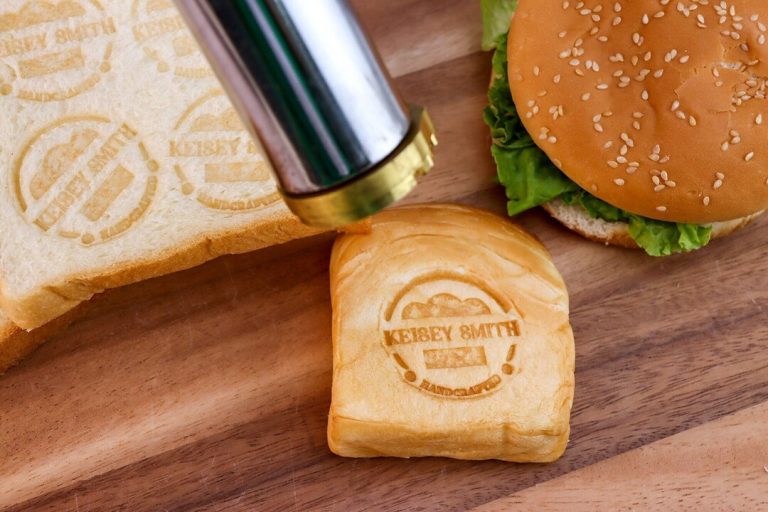
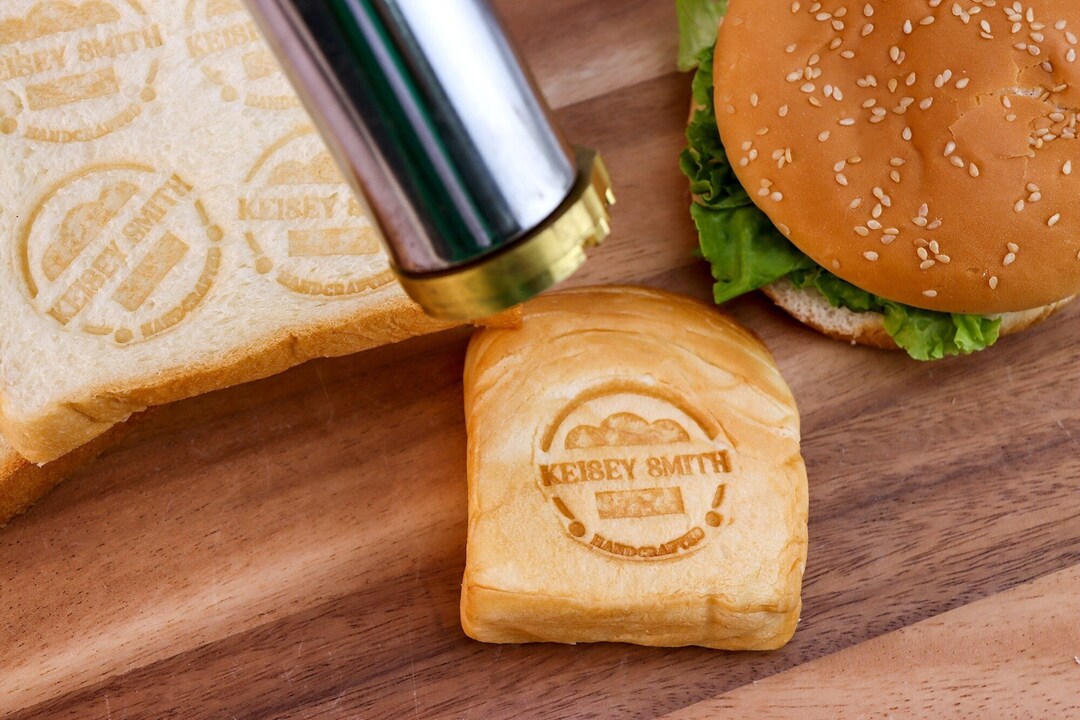
  • Food and Beverage: Restaurants and breweries often use branding irons to imprint their logos or names on food items like steaks, burgers, or even cheese, enhancing brand visibility and customer experience.
  • Crafts and Artisanal Goods: Artisans utilize branding irons for wood, leather, and textiles, adding a personalized touch to handmade products. This process enhances craftsmanship and elevates the perceived value of items.
  • Promotional Products: Companies producing promotional merchandise often use branding irons to add logos to items such as coasters, keychains, or bags, creating unique giveaways that leave a lasting impression.
  • Fashion and Accessories: Designers frequently incorporate branding irons into their work, allowing them to mark leather goods, belts, or apparel with their logos, fostering brand identity in the fashion world.

Crafting and DIY Project Uses

Branding irons are widely embraced in the crafting community as they provide an easy way to personalize and customize a variety of materials. The creative application of branding irons can enhance DIY projects, making them stand out with a professional touch.

  • Personalized Gifts: DIY enthusiasts can create custom gifts such as engraved wooden boxes, leather wallets, or photo frames, ensuring that each gift is one-of-a-kind and carries sentimental value.
  • Home Decor: Crafters utilize branding irons to add designs or quotes to wooden signs, furniture, or home accessories, transforming ordinary items into personalized decor pieces that reflect individual style.
  • Workshop Projects: Hobbyists involved in woodworking or leather crafting can use branding irons to mark their creations with their initials or workshop logos, providing a professional finish that signifies craftsmanship.

Small Business Marketing Strategies

Small businesses can significantly benefit from incorporating branding irons into their marketing strategies. The ability to create custom-branded products allows these businesses to enhance customer engagement and brand visibility.

  • Custom Merchandise: Small businesses can produce branded items like tote bags, drinkware, or apparel, allowing customers to showcase their brand loyalty and effectively acting as walking advertisements.
  • Event Branding: Utilizing branding irons at events or fairs enables businesses to create memorable and interactive experiences, such as branding food or giveaways on-site, making their brand unforgettable.
  • Local Collaborations: Partnering with local artisans to create co-branded products using branding irons fosters community ties while expanding customer reach through combined marketing efforts.

“Branding irons can not only mark ownership but also serve as a powerful tool for brand expression and recognition.”

Safety and Maintenance

When working with branding irons, safety and maintenance are paramount for both effective usage and longevity of the tool. Proper precautions can prevent accidents, while regular maintenance ensures that your branding iron remains in top condition for years to come.

Safety Precautions

Before using a branding iron, it’s crucial to adhere to several safety measures to protect yourself and those around you. The following safety precautions should always be observed:

  • Wear protective gloves and goggles to shield your skin and eyes from heat and potential splashes.
  • Ensure that the workspace is clear of flammable materials to avoid fire hazards.
  • Use the branding iron on a stable, heat-resistant surface to prevent accidental tipping or burning of the work area.
  • Keep a fire extinguisher nearby, just in case of emergencies.
  • Never leave a heated branding iron unattended; always turn it off and unplug it when not in use.

Maintenance and Cleaning

Routine maintenance and cleaning are essential for extending the life of your branding iron and ensuring consistent performance. Proper care helps prevent build-up that can impair its function or lead to unwanted marks.

  • After each use, allow the branding iron to cool completely before cleaning.
  • Wipe the iron with a damp cloth to remove any residue; avoid using abrasive materials that could scratch the surface.
  • Occasionally, inspect the branding head for wear and tear, and replace it if necessary to maintain quality branding.
  • Store the branding iron in a dry, secure place to prevent rusting and damage.

Common Mistakes to Avoid

Awareness of common mistakes when using branding irons can significantly enhance safety and efficiency. Avoiding these pitfalls ensures a smoother branding process and better results.

  • Using too much pressure when applying the branding iron can lead to uneven marks or damage to the material.
  • Failing to preheat the iron adequately can result in poor branding quality.
  • Not testing the branding iron on a scrap piece of material can lead to unexpected outcomes on the final product.
  • Neglecting to clean the branding iron after use can cause build-up, affecting future branding efforts.

Implementing proper safety measures and maintenance routines is essential for anyone working with branding irons.

Business Opportunities with Branding Irons

The world of branding irons opens a plethora of opportunities for aspiring entrepreneurs. The versatility of branding irons allows for diverse applications, making them an appealing product for various niche markets. Whether you’re looking to cater to artisans, food businesses, or pet owners, there are numerous avenues to explore in the branding iron business that can lead to success.Creating custom branding irons for customers involves a systematic process that includes understanding their specific needs, design preferences, and the materials they intend to use the branding iron on.

Customization can range from simple initials to elaborate logos, requiring a thoughtful approach to meet client expectations. The following steps elucidate the process:

Niches for Starting a Branding Iron Business

Identifying potential niches is crucial for any branding iron business. Here are some markets that could be particularly fruitful:

  • Artisans and Craftspeople: Woodworkers, leathercrafters, and metalworkers often seek branding irons to personalize their creations.
  • Food Industry: Restaurants and food trucks may use branding irons to imprint their logos on buns, steaks, and other food items, adding a unique touch to their offerings.
  • Pet Products: Custom branding irons can be used for pet accessories, allowing owners to add their pets’ names to collars or bowls.
  • Corporate Gifts: Businesses may request custom branding irons as unique gifts or promotional items for clients and employees.
  • DIY Enthusiasts: Catering to hobbyists looking to create personalized gifts or home decor items can be a lucrative niche.

The creation of custom branding irons typically begins with a detailed consultation to grasp the design specifics desired by the customer. After gathering information, a prototype is often developed, which can include sketches or digital models to ensure alignment with the client’s vision. Once approved, the manufacturing process can commence, often involving materials such as steel or brass, which are durable and can withstand high temperatures.

Marketing Strategies for a Branding Iron Business

Promoting a branding iron business requires targeted marketing strategies tailored to reach the specific niches identified. Effective strategies include:

  • Social Media Marketing: Platforms like Instagram and Pinterest are ideal for showcasing visually appealing branding designs. Regular posts featuring customer creations can foster engagement.
  • Content Marketing: Creating blog posts or videos that demonstrate the versatility and benefits of branding irons can educate potential customers and build brand authority.
  • Email Campaigns: Sending newsletters featuring special offers or new designs can keep past customers informed and encourage repeat business.
  • Collaborations: Partnering with artisans, food businesses, or influencers can expand your reach and introduce your products to new audiences.
  • Trade Shows and Craft Fairs: Participating in industry events provides opportunities for direct customer interaction and the chance to showcase your branding irons in action.

“Identifying the right niche and effectively marketing your branding iron business can open doors to a vibrant customer base eager to personalize their creations.”

Branding Iron Design Inspirations

Branding irons serve as a powerful tool for expressing a brand’s unique identity. The design of a branding iron not only reflects the brand’s ethos but also connects with consumers on a deeper level. Across different cultures and industries, branding irons have evolved to encompass a variety of artistic designs, each bringing a distinctive flair to the branding process.The influence of culture on branding iron designs is significant, showcasing a rich tapestry of artistic expressions.

These designs often draw inspiration from historical motifs, cultural symbols, or even modern graphic trends. Below is a table that highlights various design inspirations from different cultures, illustrating how diverse elements can be integrated into branding irons.

Culture Design Inspiration Description
Native American Tribal Patterns Utilizing geometric shapes and symbols that hold spiritual significance, these patterns resonate with heritage and nature.
Japanese Kanji Characters Elegant script that conveys words and ideas, often used to express values, virtues, or brand identity.
African Textile Motifs Rich colors and patterns that reflect African heritage, often inspired by traditional textiles and artwork.
Mexican Day of the Dead Symbols Colorful skulls and motifs that celebrate life and death, often used in festive branding contexts.
Scandinavian Minimalist Designs Simple and functional designs that emphasize clarity and modern aesthetics, often incorporating natural elements.

The innovative use of branding irons by successful brands highlights their ability to create memorable customer experiences. A notable case study is that of a craft brewery that uses a custom branding iron featuring the logo and an intricate hop design. This branding iron is used to mark wooden barrels, giving each batch a unique identity that is both visually appealing and enhances the craft narrative of the product.

This form of branding not only differentiates their product but also creates a story that consumers can connect with.Additionally, a well-known artisan leather company employs branding irons to imprint intricate designs on their products, such as bags and wallets. Their branding iron reflects a vintage aesthetic, evoking a sense of authenticity and craftsmanship that resonates with their target audience. This creative application has not only solidified their brand identity but has also helped in building a loyal customer base that values quality and tradition.Branding irons play a crucial role in building a brand’s identity.

They serve as a tactile representation of the brand’s values, offering a unique way to leave a lasting impression. A well-designed branding iron can communicate the essence of a brand, showcasing its commitment to quality, tradition, and creativity. Effective branding can elevate a product from ordinary to exceptional, allowing businesses to stand out in a crowded marketplace. The visual impact of a branding iron, paired with its historical significance, makes it an invaluable asset in the branding toolkit.

Closing Notes

In summary, the journey through branding iron ideas showcases their evolution from traditional livestock branding tools to essential instruments in modern branding and creativity. As we’ve seen, the possibilities are endless, whether you’re crafting a unique brand identity or exploring new DIY projects. Embracing branding irons not only elevates your creative expression but also opens doors to numerous business opportunities.

Common Queries

What materials are used to make branding irons?

Branding irons are typically made from metals like steel or brass, which can withstand high heat and provide clear impressions on various surfaces.

Can branding irons be used on materials other than wood?

Yes, branding irons can be effectively used on leather, plastic, and even certain fabrics, depending on the design and heat settings.

How do I maintain my branding iron?

To maintain your branding iron, clean it after each use with a wire brush to remove residue and store it in a dry place to prevent rust.

Are there safety precautions when using branding irons?

Absolutely, always use heat-resistant gloves, ensure proper ventilation, and keep flammable materials away while using a branding iron.

Can I create a custom branding iron?

Yes, many companies offer custom branding iron services where you can design your own shape or logo for personalized branding.
Welcome to the world of branding iron design generators, where creativity meets customization! These innovative tools empower individuals and businesses to create distinctive branding designs that leave a lasting impression. Whether you’re in the artisan market or food service industry, utilizing a branding iron can elevate your products and showcase your brand’s identity effectively.

Through this exploration, we’ll delve into how design generators simplify the creation process, allowing for personalized touches that reflect your unique style. From user-friendly interfaces to customizable options, these generators bridge the gap between imagination and reality, making branding accessible to everyone.

Introduction to Branding Iron Design Generators

Branding irons are tools used to create a permanent mark on various materials, especially wood, leather, and metal. They serve as a way to signify ownership, convey brand identity, and add a touch of personalization to products. The significance of branding lies in its ability to create a memorable impression, ensuring that a brand stands out in a crowded marketplace.

As businesses strive to establish a strong visual identity, the demand for unique and customizable branding solutions has led to the emergence of branding iron design generators.Design generators are innovative software tools that allow users to create custom branding iron designs through an intuitive interface. These generators simplify the design process by providing templates, fonts, and graphics that can be manipulated to fit the user’s vision.

By offering a user-friendly approach, design generators empower individuals and businesses to craft distinctive branding solutions without the need for extensive design skills or professional assistance.

Advantages of Using Design Generators for Branding Iron Designs

Utilizing design generators for creating branding iron designs offers numerous benefits that cater to both novice and experienced designers alike. The following points highlight the key advantages:

  • Cost-Effective: Design generators eliminate the need for hiring a professional designer, making it a budget-friendly option for businesses of all sizes.
  • Time-Saving: With pre-made templates and easy-to-use tools, users can quickly generate designs, significantly reducing the time spent on the creative process.
  • Customization Options: Generators often provide a variety of fonts, graphics, and layouts, allowing users to tailor their designs to reflect their brand’s identity accurately.
  • User-Friendly Interface: Most design generators are designed for ease of use, making them accessible for individuals with little to no design experience.
  • Immediate Visualization: Users can see their designs in real-time, allowing for instant feedback and adjustments, ensuring the final product meets their expectations.
  • Versatility: Many generators cater to different materials and application methods, offering options for various branding requirements.

The combination of these advantages empowers brands to effectively communicate their identity and values through thoughtfully designed branding irons. Thus, branding iron design generators represent a valuable tool in the branding arsenal of any business looking to enhance its presence in the market.

Features of Effective Branding Iron Design Generators

A branding iron design generator serves as a vital tool for artisans and businesses looking to create custom branding solutions. The effectiveness of such tools hinges on their features, usability, and the degree of customization they offer. By focusing on essential aspects, these generators can cater to diverse branding needs while ensuring a seamless design experience.One of the most critical elements of any branding iron design generator is its feature set.

Effective generators must incorporate functionalities that simplify the design process and enhance user experience. These features can range from basic to advanced, catering to both novice users and seasoned professionals.

Essential Features

The core functionalities of a branding iron design generator significantly impact its effectiveness. An ideal generator should include features that facilitate an intuitive and efficient design workflow. Key features to consider are:

  • Design Templates: A variety of pre-designed templates that serve as a foundation for users to customize their branding irons easily.
  • Font Choices: An extensive library of fonts that allows users to select typography that fits their brand identity.
  • Image Upload Capability: The ability to upload custom images or logos, enabling unique designs tailored to specific branding needs.
  • Preview Functionality: A real-time preview feature that allows users to visualize their designs before finalizing them, ensuring satisfaction with the final product.

User-Friendly Interface Elements

A user-friendly interface is crucial for effective branding iron design generators. The design process should be accessible, allowing users to navigate easily without confusion. Important interface elements that enhance usability include:

  • Drag-and-Drop Functionality: This feature allows users to easily position elements and text on their design canvas, streamlining the creation process.
  • Tooltips and Help Sections: Providing clear instructions or tips guides users through each step of the design process, making it less intimidating for beginners.
  • Responsive Design: Ensuring that the generator works seamlessly across various devices, including tablets and smartphones, accommodates users who prefer to design on the go.

Customizable Options

Customizability is essential for creating unique branding iron designs that reflect individual brand identities. A good branding iron design generator should offer a range of customizable options, enabling users to personalize their projects extensively. These options can include:

  • Color Palettes: A selection of colors that can be applied to text and images, allowing users to align their designs with brand colors.
  • Size Adjustments: Options to modify the dimensions of text and images ensure that designs fit perfectly on branding irons of various sizes.
  • Layering Tools: Features that enable users to layer text and images, enhancing depth and visual appeal in the final design.
  • Export Formats: Multiple export options, including vector and raster formats, allow users to save their designs in a format that suits their production needs.

Popular Tools and Software for Branding Iron Design

Branding iron design tools are essential for artisans, crafters, and businesses looking to create custom branding solutions. With various options available, it can sometimes be daunting to choose the right tool that fits both your design needs and skill level. The right software can streamline the design process, enhance creativity, and yield impressive results that represent your brand effectively.When considering tools for designing branding irons, it is important to look at functionality, ease of use, and the features each software offers.

Many popular programs cater to different aspects of design, from technical drafting to artistic creation. Below is a selection of widely-used design tools for generating branding iron designs.

Widely-used Design Tools

The following tools are recognized for their effectiveness in creating branding iron designs:

  • Adobe Illustrator: A professional vector graphic design software renowned for its vast array of tools and capabilities. It allows for precise design work and is perfect for creating detailed branding iron graphics.
  • CorelDRAW: Another powerful vector design software that offers a user-friendly interface and a suite of creative tools tailored for branding iron designs.
  • Inkscape: A free and open-source vector graphic editor that provides many features found in paid software, making it an excellent choice for hobbyists and small businesses.
  • Sketch: Ideal for those focused on digital design, Sketch offers robust tools for creating vector artwork, although it is primarily used for web and app design.
  • Affinity Designer: An affordable alternative to Adobe Illustrator, it provides a smooth user experience and powerful design features, making it suitable for branding iron designs.

Comparison of Branding Iron Design Software

When selecting a branding iron design tool, it’s crucial to compare the features and benefits of different software options. Here’s a comparative view of three popular choices:

Software Key Features Cost Best For
Adobe Illustrator Advanced vector graphics, extensive typography tools, integration with other Adobe products Subscription-based Professional designers and businesses
CorelDRAW User-friendly interface, powerful vector tools, excellent text handling One-time purchase or subscription Individuals and small businesses
Inkscape Comprehensive vector design tools, free and open-source, supportive community Free Hobbyists and those on a budget

User Experiences and Testimonials

Feedback from users can give significant insights into the effectiveness and usability of branding iron design tools. Many users have shared their experiences, highlighting both pros and cons of the software they utilized.

“Adobe Illustrator has transformed my workflow. The precision in designing intricate logos for my branding irons is unmatched.”

A professional designer

“CorelDRAW is intuitive and easy to use. I was able to create stunning designs in no time, especially for my small business.”

A small business owner

“Inkscape is perfect for those starting in design. It has all the essential features needed without the hefty price tag.”

An aspiring designer

These testimonials showcase a range of experiences, from professionals who rely on advanced tools to beginners seeking user-friendly options. Each of these tools offers distinct advantages, catering to the diverse needs of branding iron designers.

Step-by-Step Guide to Using a Branding Iron Design Generator

Using a branding iron design generator can significantly streamline the process of creating custom branding solutions. This guide will walk you through the essential steps to effectively utilize these tools for your branding needs, ensuring you achieve a professional and polished design.A typical branding iron design generator provides a user-friendly interface that allows users to select from various styles, fonts, and layouts.

Understanding how to navigate these features is crucial for producing impactful branding designs. Below is a detailed breakdown of the steps involved in creating your branding iron design.

Selecting Styles, Fonts, and Layouts for Branding Irons

Choosing the right style, font, and layout is vital to creating an effective branding iron design. The selection process impacts not only the aesthetic appeal but also the readability and impact of the branding. Here are some considerations for making your selections:

1. Styles

The style of your branding iron should reflect your brand’s identity. Consider the following:

Modern

Clean lines and minimalistic designs work well for contemporary brands.

Vintage

Retro styles can evoke nostalgia and charm, suitable for artisanal products.

Rustic

Designs that incorporate natural elements often resonate with outdoor or handmade products.

2. Fonts

The choice of font plays a crucial role in conveying your brand message. Look for:

Legibility

Ensure the font is easy to read, even at smaller sizes.

Character

Fonts with unique characteristics can help set your brand apart.

Consistency

Maintain consistency with your overall branding strategy by matching your font with your existing materials.

3. Layouts

The layout dictates how elements are arranged on your branding iron. Consider these tips:

Hierarchy

Arrange text and graphics to create a natural flow, leading the eye to the most important information first.

Balance

Ensure visual balance by evenly distributing elements across the design, avoiding clutter.

Space

Utilize negative space effectively to enhance readability and focus on key design elements.

Exporting and Preparing Designs for Production

Once your design is finalized, the next step is to export and prepare it for production. This process is crucial to ensure that the design translates well onto the branding iron. Here are some important tips to keep in mind:

File Format

When exporting your design, select a file format that is compatible with your production process. Common formats include:

SVG

Ideal for vector designs, ensuring high-quality scaling.

PNG

Suitable for designs with transparent backgrounds.

PDF

Often preferred for printing purposes.

Resolution

Ensure that your design is exported at a high resolution, typically 300 DPI or higher, to maintain clarity when printed or engraved.

Test Print

Before finalizing your order, conduct a test print of your design on a similar material to see how it looks in real life. This step can help identify potential issues with size, layout, or legibility.

Consult Production Guidelines

Different manufacturers may have specific requirements for artwork submission. Always check their guidelines to avoid any complications during production.By following these steps, you can create a unique and effective branding iron design that accurately represents your brand. Remember, the key to a successful branding process lies in the details of your design choices. With a little creativity and attention to detail, your branding iron can make a lasting impression.

Industry Applications of Branding Irons

Branding irons have found their way into a variety of industries, serving as powerful tools for establishing brand identity and enhancing product appeal. Their versatility allows them to be used across different sectors, from artisan crafts to the food service industry. The distinct imprint left by branding irons not only adds a touch of authenticity but also communicates a sense of quality and craftsmanship.Branding irons are particularly significant in artisan crafts and handmade goods, where the emphasis on originality and individuality is paramount.

These tools enable artisans to showcase their creative identity while ensuring their products stand out in a crowded marketplace. The following points illustrate the common practices of branding irons in this sector.

Artisan Crafts and Handmade Goods

Artisans leverage branding irons to create a unique mark on their products, which helps in building a personal connection with customers. The use of branding irons can serve multiple purposes, such as:

  • Product Authentication: By branding their items, artisans confirm the authenticity of their work, signaling to buyers that the product is genuinely handmade.
  • Brand Identity: A distinct logo or signature can be burned into the product, which aids in establishing a recognizable brand identity that consumers can trust.
  • Enhancing Aesthetic Appeal: The rustic charm of a branding iron imprint adds an appealing texture and visual interest to handmade items like leather goods, pottery, and woodwork.
  • Mark of Quality: A well-branded item can convey a message of quality and craftsmanship, encouraging customers to perceive the product as premium.

In the food service industry, branding irons take on a vital role in product packaging and presentation. The branding process not only enhances the visual appeal but also enhances the customer experience. Below are key ways branding irons are applied in this sector.

Food Service and Product Packaging

In the food industry, branding irons are used to create a memorable customer experience while ensuring that products remain recognizable and appealing. Their applications include:

  • Food Branding: Restaurants and food trucks often use branding irons to imprint their logo or name onto grilled items, such as steaks or buns, making their offerings unique and memorable.
  • Packaging Enhancement: Many gourmet food producers apply branding to their packaging, ensuring that the product is instantly recognizable and reflects the quality of the brand.
  • Gift Items: Specialty food items, such as artisanal cheeses or handmade chocolates, frequently include branding using irons to provide a personal touch, especially for gift packaging.
  • Promoting Locality: Many local eateries utilize branding irons to emphasize their homemade, local, or organic ingredients, further appealing to a consumer base that values authenticity and locality.

The impact of branding irons in various industries highlights their importance as a tool for differentiation and brand loyalty, allowing businesses to effectively communicate their values and craftsmanship.

Design Trends in Branding Iron Creation

The world of branding iron design is influenced by various trends that reflect current aesthetics, cultural shifts, and technological innovations. Understanding these trends can help businesses create branding irons that not only mark their products but also convey a strong visual identity. As branding evolves, so does the style and functionality of branding irons, resulting in designs that are as much about art as they are about utility.Current trends in branding iron aesthetics reveal a fascinating blend of vintage and modern styles.

Companies are increasingly looking for ways to make their branding stand out, leading to innovative design choices that reflect both nostalgia and contemporary sophistication. This fusion is exemplified in various sectors, showcasing how branding irons can serve diverse purposes while maintaining a recognizable appeal.

Impact of Vintage and Modern Styles

The impact of vintage and modern styles in branding iron design can be observed through the integration of traditional craftsmanship with modern technology. Vintage branding irons often feature intricate, ornate designs that evoke a sense of heritage and quality. These elements are particularly popular among artisanal brands that want to highlight their craftsmanship. On the other hand, modern branding iron designs tend to favor minimalism, clean lines, and innovative materials that reflect a contemporary aesthetic.Incorporating these styles allows brands to connect with their target audience emotionally.

For example:

  • Artisanal Food Brands: Many small-scale food producers use vintage branding irons to evoke a sense of authenticity and tradition, often incorporating classic motifs like wheat sheaves or farm animals.
  • Tech Companies: In contrast, tech startups often opt for sleek, modern branding irons that utilize geometric patterns and simple fonts, showcasing their innovative spirit.
  • Fashion Brands: Fashion labels might blend both styles, using vintage-inspired designs with a modern twist, such as combining retro fonts with contemporary graphic elements.

Unique and Creative Branding Iron Designs

Unique and creative branding iron designs can be found across various industries, each reflecting the essence of the brand while showcasing innovative artistry. The following examples highlight how different sectors adapt branding irons to fit their identity:

  • Craft Breweries: Many craft breweries use custom branding irons that incorporate their logo and unique designs, often featuring whimsical elements like hops or barrels, making their branding memorable.
  • Woodworking Shops: Artisans in woodworking take pride in using branding irons that are not only functional but also artistic, often featuring custom designs that reflect their craftsmanship, such as intricate wood grain patterns.
  • Gift Shops: Some gift shops offer personalized branding irons that allow customers to engrave names or special messages, making each piece unique and highly valued.

In conclusion, embracing the trends in branding iron design can enhance a brand’s identity and recognition. The mixture of vintage and modern styles, along with unique designs tailored to different sectors, allows businesses to make a lasting impression while staying true to their core values.

Challenges in Branding Iron Design

5 Proven Ways to Build Brand Authority on Social Media - Caylor Solutions

When it comes to creating effective branding irons, designers often face several challenges that can impede the overall quality and precision of the design. From technical limitations to aesthetic considerations, understanding these hurdles is crucial for developing a successful branding iron that meets both functional and visual standards. By identifying common challenges and exploring effective solutions, designers can streamline their processes and achieve superior results.One of the main challenges in branding iron design is ensuring the clarity and precision of the final product.

Factors such as material selection, engraving depth, and design complexity play pivotal roles in the outcome of the branding iron. Each of these elements must be carefully managed to produce a clear and effective brand mark that stands the test of time.

Common Challenges in Branding Iron Design

Several key challenges can be encountered during the branding iron design process, each requiring specific strategies for resolution. Recognizing these issues can significantly enhance the design experience.

  • Material Limitations: Different materials react differently when heated, affecting the clarity of the branding. Choosing the right material, such as brass or steel, can ensure better results.
  • Design Complexity: Highly intricate designs may not transfer well onto the branding surface. Simplifying designs without losing branding integrity is essential.
  • Heat Distribution: Uneven heat can lead to inconsistent branding results. Proper testing and calibration of temperature settings are crucial for uniform branding.
  • Ergonomics: The design of the branding iron must consider user comfort and safety, which can sometimes conflict with aesthetic desires.

Overcoming Design Limitations

To navigate the challenges associated with branding iron design effectively, employing specific strategies can lead to more successful outcomes. These strategies aim to enhance clarity and precision, ensuring that the end product aligns with the original vision.

  • Prototyping: Creating prototypes allows for testing design viability before committing to production. This step can identify design flaws and heat distribution issues early on.
  • Design Simplification: Streamlining designs to focus on essential brand elements can prevent issues with detail loss during the branding process.
  • Technical Adjustments: Utilizing software tools to simulate heat effects and design outcomes can help in making informed adjustments to the design.
  • User Feedback: Gathering input from potential users during the design phase can provide insights into ergonomics and usability, leading to better final products.

“Effective branding iron designs balance aesthetics with functionality to ensure a lasting impression.”

Ensuring Clarity and Precision in Branding Iron Designs

Achieving clarity and precision is vital in branding iron design, as these elements significantly impact the brand’s representation. Implementing best practices can enhance the quality of branding results.

  • Optimal Engraving Techniques: Utilizing advanced engraving methods, such as laser engraving, can produce sharper designs than traditional methods.
  • Testing Different Designs: Conducting tests with various design prototypes on different materials can help identify the most effective combinations.
  • Quality Control: Implementing strict quality control measures throughout the production process ensures that every branding iron meets the established standards.
  • Continual Learning: Staying informed about the latest trends and technologies in branding iron design can lead to innovative approaches and solutions.

Future of Branding Iron Design Generators

The evolution of branding iron design generators is poised for significant change as emerging technologies and innovative practices shape the industry. With the growing integration of advanced tools and user-friendly interfaces, the future promises enhanced capabilities that cater to an ever-expanding audience of creators and businesses alike.Emerging technologies such as artificial intelligence (AI), machine learning, and augmented reality (AR) are set to revolutionize branding iron design generators.

AI algorithms can analyze user preferences and past designs to suggest personalized templates, enhancing the creative process. Machine learning allows these tools to improve over time, learning from user interactions and feedback, ultimately refining design suggestions. Augmented reality provides a unique layer of interactivity, enabling users to visualize their branding irons in real-world settings before committing to a final design.

Advancements in Customization and User Experience

The future of branding iron design generators will likely see remarkable advancements in customization options and overall user experience. Users will increasingly demand more features that allow for unique, personalized designs that reflect their brand identity. The following points highlight anticipated improvements in this area:

  • Dynamic Design Interfaces: Future tools will incorporate more intuitive layouts, enabling users to adjust designs seamlessly through drag-and-drop features and real-time editing.
  • Expanded Material Selection: Generators will provide a broader range of materials and textures, allowing users to select the perfect fit for their branding needs, from wood to metal to leather.
  • Integration with E-commerce Platforms: Direct links to e-commerce will simplify the process of ordering finished branding irons, enhancing the user journey from design to purchase.
  • Community Sharing Features: Enhanced social features may enable users to share designs with peers, receive feedback, and collaborate, fostering a sense of community among creators.
  • AI-Driven Feedback Systems: AI tools could analyze user designs and provide constructive feedback, helping users refine their work to achieve professional-level results.

Evolution of Branding Iron Design Trends

As branding iron design generators advance, design trends will inevitably evolve. Future trends are expected to reflect broader societal movements and technological developments. Key predictions include:

  • Sustainability Focus: Eco-friendly materials and sustainable design practices will likely gain prominence, as consumers increasingly prioritize environmentally responsible products.
  • Minimalist Aesthetics: Clean, simple designs may become more favored, aligning with global trends favoring minimalism in branding and marketing.
  • Customization as Standard: Rather than a unique feature, personalization options will become standard, with businesses and individuals seeking to differentiate themselves through bespoke branding.
  • Integration of Digital Elements: The incorporation of QR codes or NFC tags into branding designs could allow for interactive experiences, bridging the gap between physical branding and digital engagement.
  • Global Influences: As globalization continues, branding iron designs may reflect a fusion of cultural elements, appealing to diverse markets and audiences.

Overall, the future of branding iron design generators is bright, characterized by innovation, personalization, and a keen awareness of changing consumer preferences and technological advancements.

Conclusion

In conclusion, branding iron design generators offer a remarkable opportunity to enhance your branding efforts through creative expression. As we’ve discussed, the advantages they bring—ranging from ease of use to customizable features—make them invaluable tools for a variety of industries. Embrace the future of branding and start crafting your unique designs today!

FAQ Section

What is a branding iron design generator?

A branding iron design generator is a tool that allows users to create custom designs for branding irons, which are used to imprint logos or marks on various materials.

How do I choose the right design generator?

Consider factors such as user-friendliness, available features, customization options, and any industry-specific needs when selecting a design generator.

Can I use a branding iron design generator for other purposes?

Yes, many design generators can be used for various applications beyond branding irons, such as creating designs for stamps or engravings.

Are there any costs associated with branding iron design generators?

Some design generators are free, while others may require a subscription or one-time purchase for access to premium features.

How do I ensure the quality of my branding iron design?

Always preview your design at various sizes and resolutions, and consider getting a sample made to ensure clarity and precision before full production.

Branding is more than just a logo; it’s the essence of a company, a promise to its customers. This exploration dives into compelling branding examples across diverse industries, highlighting how successful brands connect with their target audiences and create lasting impressions. From the subtle nuances of visual identity to the powerful narratives behind brand stories, we’ll uncover the secrets of effective branding.

Understanding branding examples is crucial for businesses striving to differentiate themselves in today’s competitive marketplace. This in-depth look examines successful strategies, highlighting the core elements that contribute to strong brand recognition and customer loyalty. Analyzing case studies across industries will provide practical insights for developing a robust brand strategy.

Introduction to Branding

Branding in business is more than just a logo or a catchy tagline. It’s the perception and experience customers associate with a company, product, or service. A strong brand fosters trust, loyalty, and ultimately, drives business success. It differentiates a company from its competitors, establishing a unique position in the market.A well-defined brand creates a consistent and recognizable image across all touchpoints, from the website to customer service interactions.

This consistency builds recognition and trust, enabling businesses to command premium prices and attract customers who align with their values. Strong brands resonate with their target audience, making them more likely to choose that brand over others.

Definition of Branding

Branding is the process of creating a unique identity for a company, product, or service. This identity encompasses various elements like logos, colors, fonts, and messaging, all working together to communicate a consistent brand image. The goal is to establish a strong, positive perception in the minds of customers, creating a connection that goes beyond just a transaction.

Importance of Branding for Businesses

Branding plays a crucial role in a company’s success. It establishes a clear and consistent identity that resonates with the target audience, fostering brand loyalty and increasing customer lifetime value. A strong brand differentiates the company from competitors, making it more memorable and attractive to customers. It also enhances customer trust, facilitating smooth transactions and building a positive reputation.

Ultimately, branding leads to increased market share, higher profitability, and sustainable growth.

Core Elements of a Strong Brand

A robust brand is built on several key elements. These elements work together to create a comprehensive and impactful brand identity. Consistency in messaging, visual identity, and customer experience is paramount to building a strong brand. A strong brand is easily recognizable, memorable, and evokes positive feelings and associations in the minds of consumers.

Examples of Different Brands

Brand Name Brand Values Target Audience Unique Selling Proposition (USP)
Nike Innovation, athleticism, performance, inspiration Active individuals, athletes, fitness enthusiasts High-performance athletic apparel and equipment, designed for peak performance and designed to inspire
Starbucks Quality, community, experience, innovation Coffee lovers, people seeking a relaxed and social atmosphere Premium coffee, exceptional customer service, and a welcoming atmosphere
Apple Innovation, simplicity, design, user experience Tech-savvy individuals, early adopters, people valuing sleek design Cutting-edge technology, user-friendly interfaces, and aesthetically pleasing products

Branding Examples Across Industries

Branding transcends mere product identification; it shapes consumer perception and loyalty. Effective branding fosters a strong connection between a company and its target audience, leading to increased recognition and market share. Successful brands cultivate a consistent identity across all touchpoints, from advertising to customer service.Different industries demand unique branding strategies to resonate with their respective target audiences. For example, a technology company might emphasize innovation and cutting-edge design, while a fashion house might focus on exclusivity and style.

Understanding these nuances is critical to developing a successful brand identity.

Branding in the Technology Industry

Apple’s branding exemplifies the power of simplicity and sleek design. Their focus on premium materials, user-friendly interfaces, and a distinct aesthetic has created a strong brand image associated with innovation and quality. Other technology companies leverage branding to highlight their unique technological advancements and cater to specific user needs, like Google’s emphasis on search and information accessibility. These companies often feature sleek, modern logos and color palettes to convey their brand’s values.

Branding in the Fashion Industry

Luxury fashion brands often utilize exclusivity and heritage to build their brand identity. Chanel, for instance, capitalizes on its rich history and iconic designs to appeal to a discerning clientele. Other brands focus on specific trends and aesthetics, such as streetwear brands that emphasize youth culture and individuality. Successful fashion brands employ a consistent visual language, including logos, color palettes, and imagery, to convey their brand message effectively.

Branding in the Food Industry

Food brands frequently use evocative imagery and storytelling to connect with consumers on an emotional level. Think of Coca-Cola, whose branding relies on nostalgia and shared experiences. Other successful food brands emphasize health and wellness or unique flavor profiles to target specific demographics. Consistent packaging, advertising, and product quality reinforce the brand’s message and build trust among consumers.

Successful Brand Examples

Brand Name Industry Target Audience Key Visual Elements
Apple Technology Tech-savvy consumers, individuals seeking premium products Sleek design, minimalist aesthetic, use of silver and white
Chanel Fashion Wealthy individuals, discerning fashion consumers Sophisticated designs, iconic logos, use of classic colors
Coca-Cola Food Broad consumer base, emphasizing shared experiences Red and white color scheme, iconic logo, classic bottle design
Nike Sportswear Athletes and active individuals Swoosh logo, bold color choices, emphasis on performance
Starbucks Food and Beverages Coffee enthusiasts, individuals seeking a relaxed atmosphere Green and brown color scheme, iconic logo, unique store design

Elements of a Strong Brand

A strong brand isn’t just a logo; it’s a comprehensive experience that resonates with customers. It fosters trust, loyalty, and ultimately, drives business success. A well-defined brand identity is key to achieving these goals. This section will delve into the crucial elements of building a robust and impactful brand.

Brand Identity

Brand identity encompasses the visible and tangible elements that define a brand. This includes the brand’s name, logo, colors, typography, and overall visual aesthetic. A consistent and well-defined brand identity helps customers recognize and connect with the brand quickly. It creates a visual shorthand that conveys the brand’s values, personality, and promises. For instance, Apple’s sleek, minimalist design instantly communicates its brand values of innovation and simplicity.

Brand Messaging

Effective brand messaging is the voice of the brand. It articulates the brand’s unique value proposition, target audience, and core values. Clear and concise messaging conveys the brand’s personality and builds a connection with the customer. This communication should be consistent across all platforms, ensuring that the message remains unified and recognizable. For example, Nike’s messaging often focuses on inspiration, motivation, and achieving one’s personal best.

Brand Visuals (Logo, Colors, Typography)

Visual elements play a critical role in brand recognition and perception. A well-designed logo, chosen colors, and consistent typography create a cohesive visual identity. These elements should reinforce the brand’s overall message and personality. For instance, Coca-Cola’s iconic red and white color scheme, along with its distinctive script font, immediately evoke feelings of nostalgia and happiness. The consistent use of these elements reinforces the brand’s recognition.

Brand Experience

Brand experience is the sum total of all interactions a customer has with a brand. This includes everything from the website experience to customer service interactions. A positive brand experience builds trust and loyalty. This experience needs to align with the brand’s messaging and identity. For example, a luxury brand should provide exceptional customer service and high-quality products to match its perceived value.

Conversely, a fast-food restaurant should offer speedy service and convenient locations.

Comparison of Strong and Weak Brand Elements

Element Strong Brand Weak Brand Example
Brand Identity Clear, consistent, and memorable visual elements. Inconsistent, confusing, or unmemorable visual elements. Apple (consistent use of minimalist design) vs. a startup with a changing logo every few months.
Brand Messaging Clear, concise, and compelling message that resonates with the target audience. Vague, confusing, or irrelevant messaging that fails to connect with the audience. Nike’s “Just Do It” campaign vs. a company’s website that promotes various products without a clear overarching message.
Brand Visuals Visually appealing, consistent, and recognizable logo, colors, and typography. Poorly designed, inconsistent, or unoriginal logo, colors, and typography. Starbucks’ green and white logo vs. a company with a confusing or uninspired logo.
Brand Experience Positive, consistent, and memorable interactions with the brand across all touchpoints. Negative, inconsistent, and forgettable interactions with the brand across all touchpoints. Amazon’s seamless online shopping experience vs. a retailer with a complicated website and poor customer service.

Effective Branding Strategies

Crafting a compelling brand identity is crucial for success in today’s competitive market. Effective branding strategies go beyond simply creating a logo; they encompass a comprehensive approach to building a recognizable and valued brand presence. This involves understanding target audiences, market trends, and consistent messaging across all touchpoints. Strong branding strategies can drive customer loyalty, increase brand awareness, and ultimately boost profitability.A robust brand strategy is a roadmap for achieving specific business objectives through consistent branding efforts.

It involves understanding your target audience, identifying your unique selling propositions, and defining your brand’s personality. This strategy serves as a guiding principle for all marketing and communication activities, ensuring a cohesive and impactful brand experience.

Brand Building Strategies

Building a brand from scratch requires a deliberate and well-structured approach. It’s not a one-time effort, but rather a continuous process of nurturing brand awareness and recognition. Successful brand building involves creating a clear brand identity, developing consistent brand messaging, and actively engaging with target audiences.

  • Defining the Brand Identity: This crucial step involves articulating the core values, mission, and vision of the brand. Understanding the brand’s personality—whether playful, sophisticated, or trustworthy—is vital for developing a consistent brand voice and visual aesthetic across all platforms. Defining the brand’s unique selling proposition (USP) is critical to differentiating it from competitors.
  • Developing Brand Messaging: Crafting compelling and consistent messaging is key to communicating the brand’s value proposition effectively. This involves creating a clear and concise brand story that resonates with the target audience and articulates the benefits of the product or service. Maintaining a unified voice across all channels is paramount.
  • Building Brand Awareness: Implementing effective marketing strategies to increase brand visibility and recognition is essential. This encompasses online and offline activities, such as social media campaigns, content marketing, public relations, and advertising. Consistent and targeted efforts across various platforms help build a strong brand presence in the market.

Brand Repositioning Strategies

In some cases, a brand may need to adapt its identity to reflect evolving market conditions or changing consumer preferences. Brand repositioning involves modifying the brand’s image, messaging, or target audience to achieve a new competitive position. Careful consideration is necessary to avoid alienating existing customers while attracting a new target audience.

  • Assessing the Current Situation: Thorough analysis of the current market position, brand perception, and competitor landscape is essential. Understanding the strengths, weaknesses, opportunities, and threats (SWOT) helps identify areas for improvement and potential challenges in the repositioning process.
  • Developing a New Brand Identity: This involves crafting a new brand message, visual identity, and target audience that align with the desired repositioning. The new identity should resonate with the target audience and effectively communicate the brand’s new value proposition.
  • Communicating the Repositioning: Clearly and consistently communicating the new brand identity to all stakeholders is critical. This includes customers, employees, and partners. A comprehensive communication plan should be implemented to effectively manage expectations and build trust.

Developing a Brand Strategy

A well-defined brand strategy provides a framework for all marketing and communication efforts. This roadmap ensures that all activities contribute to a cohesive and impactful brand experience.

Step Description
1. Defining Brand Goals Establish clear, measurable, achievable, relevant, and time-bound (SMART) objectives.
2. Target Audience Analysis Deeply understand the target audience’s needs, preferences, and motivations.
3. Competitive Analysis Evaluate the competitive landscape to identify opportunities and threats.
4. Brand Positioning Determine the brand’s unique value proposition and target market.
5. Brand Identity Development Create a comprehensive brand identity encompassing visuals, messaging, and values.
6. Brand Guidelines Establish clear guidelines for consistent brand application across all platforms.
7. Implementation and Monitoring Execute the strategy and track progress towards goals.

Branding and Customer Perception

Branding significantly influences how customers perceive a company and its products or services. A strong brand fosters positive associations, builds trust, and ultimately shapes purchasing decisions. Conversely, a weak brand can lead to skepticism and diminished sales. This interplay between brand and perception is crucial for sustained success in the marketplace.A well-crafted brand story, consistent visual identity, and positive customer experiences all contribute to a strong brand image.

This image, in turn, shapes customer perceptions, influencing their attitudes and behaviors towards the company and its offerings. This powerful relationship between brand and perception is a key driver of customer loyalty and advocacy.

Impact on Customer Perception

Brand elements, such as logos, colors, and messaging, create a visual and emotional connection with customers. These elements communicate values, personality, and promises to the target audience. Consistent use of these elements across all touchpoints reinforces the brand identity and strengthens its impact on customer perception. For example, the recognizable swoosh of Nike instantly evokes athleticism, quality, and performance.

Relationship Between Brand Reputation and Customer Loyalty

Brand reputation directly impacts customer loyalty. A positive reputation, built on consistent quality, excellent customer service, and ethical practices, fosters trust and encourages repeat business. Customers are more likely to remain loyal to brands they trust and admire. Conversely, a damaged reputation can quickly erode customer loyalty and lead to a loss of market share.

Impact of Branding on Customer Trust and Advocacy

Strong branding builds customer trust by demonstrating reliability, consistency, and a commitment to quality. This trust translates into customer advocacy, where satisfied customers become brand ambassadors, recommending the product or service to others. This organic word-of-mouth marketing can be a powerful driver of growth and brand awareness.

Influence of Branding on Purchasing Decisions

Branding significantly influences purchasing decisions. Customers often choose products or services based on the brand image and perceived value. A strong brand with a positive reputation can command a premium price and attract customers who are willing to pay more for the associated prestige and trust. For example, consumers are often willing to pay more for Apple products, not just for the functionality, but also for the brand’s reputation for innovation and quality.

Customer Experience Comparison: Strong vs. Weak Brand Reputation

Characteristic Strong Brand Reputation Weak Brand Reputation
Customer Perception Positive, trustworthy, high-quality Negative, skeptical, low-quality
Customer Loyalty High, repeat purchases, advocacy Low, limited purchases, little advocacy
Customer Trust High, confident in brand Low, hesitant to purchase or recommend
Purchasing Decisions Influenced by brand image, often premium price points Influenced by price and practicality, often lower price points
Customer Service Excellent, responsive, and helpful Poor, unresponsive, and unhelpful
Brand Awareness High, recognized by customers Low, unknown or unrecognized by customers

Branding and Marketing

Branding and marketing are inextricably linked. A strong brand provides a foundation for effective marketing campaigns, while strategic marketing activities help to build and reinforce brand awareness and recognition. This symbiotic relationship fuels customer loyalty and ultimately drives business growth.A well-defined brand acts as a compass for marketing efforts, ensuring consistency and clarity across all touchpoints. This alignment fosters a cohesive brand experience for customers, leading to trust and recognition.

How Branding Complements Marketing Efforts

Branding provides a framework for marketing activities. It dictates the tone, style, and messaging used in all marketing materials. This consistency builds a recognizable identity that resonates with the target audience. Effective branding helps marketing teams make strategic decisions about messaging, channels, and creative approaches.

The Role of Branding in Building Brand Awareness

Branding plays a critical role in building brand awareness. A strong brand identity, including a memorable logo, unique visual style, and consistent messaging, creates a distinct impression in the minds of consumers. Repeated exposure to these brand elements, through various marketing channels, gradually increases brand recognition and recall. Consumers are more likely to choose a brand they recognize and trust.

Examples of How Branding Influences Marketing Campaigns

Branding significantly influences marketing campaigns by dictating the style and tone of the messaging. Consider Nike, for instance. Their athletic branding influences their marketing campaigns, which typically focus on themes of motivation, achievement, and overcoming challenges. This consistent brand narrative fosters a strong emotional connection with consumers. Similarly, Apple’s minimalist branding permeates their marketing campaigns, emphasizing simplicity, innovation, and high-quality design.

This consistent visual language builds brand recognition and reinforces the brand’s aspirational image.

The Interplay Between Branding and Advertising

Branding and advertising are interconnected, with advertising serving as a key tool to reinforce and communicate brand values. Advertising campaigns leverage brand elements, such as the logo, color palette, and voice, to connect with the target audience. For instance, a successful advertising campaign for a luxury car brand will incorporate the brand’s emphasis on exclusivity, performance, and craftsmanship.

This combination of advertising and branding elements creates a powerful synergy that effectively communicates the brand’s value proposition.

Using Branding in Content Marketing

Content marketing can effectively leverage branding to enhance brand awareness and establish thought leadership. A brand’s personality and values should be evident in the content it produces. Consistent use of brand voice, tone, and visual elements in content reinforces brand identity and resonates with the target audience. For example, a tech company focused on sustainability might create blog posts, articles, and videos that showcase its commitment to environmental responsibility.

This consistent message aligns with the brand’s identity and builds trust with environmentally conscious consumers.

Brand Storytelling and Visual Identity

Crafting a compelling brand involves more than just a logo and tagline; it’s about weaving a narrative that resonates with your audience. A strong brand story fosters emotional connections, builds trust, and ultimately drives loyalty. Visual identity plays a crucial role in solidifying this narrative, visually communicating the brand’s essence and values.Brand storytelling is a powerful tool for building connections with consumers.

By sharing the brand’s origin story, values, and mission, businesses can create a sense of authenticity and relatability. This narrative helps differentiate the brand from competitors and fosters a deeper emotional bond with the target audience. Visual elements act as the visual embodiment of this story, amplifying the brand’s message and creating a memorable experience for consumers.

Importance of Brand Storytelling

A compelling brand story goes beyond simply describing products or services. It delves into the “why” behind the brand, exploring the values, passions, and experiences that drive its existence. This narrative creates a sense of connection with the target audience, transforming customers into loyal advocates.

Crafting Compelling Brand Narratives

Crafting a compelling brand narrative requires careful consideration of the brand’s core values, mission, and target audience. The narrative should be authentic, relatable, and consistent across all brand touchpoints.

  • Understanding the Target Audience: Thorough market research is essential to identify the needs, desires, and aspirations of the target audience. Understanding their values and motivations allows the brand to craft a narrative that resonates deeply.
  • Highlighting Brand Values: The brand’s core values should be clearly articulated and interwoven into the narrative. This authenticity fosters trust and builds a strong emotional connection with consumers.
  • Creating a Unique Brand Voice: Establishing a unique brand voice ensures consistency and relatability across all communications. This voice should reflect the brand’s personality and values, resonating with the target audience.
  • Incorporating Storytelling Techniques: Employing storytelling techniques like character development, conflict resolution, and emotional resonance can elevate the narrative and make it more engaging. Using metaphors, analogies, and anecdotes can also enhance the storytelling.

Examples of Brands Effectively Using Storytelling

Numerous brands have successfully leveraged storytelling to build strong connections with their audiences.

  • Patagonia: Patagonia’s brand narrative revolves around environmental responsibility and outdoor adventure. Their story is authentic, focusing on sustainability and the importance of preserving nature. This resonates deeply with environmentally conscious consumers.
  • Nike: Nike’s brand story emphasizes the power of human potential and the drive for achievement. Their narrative inspires athletes and motivates them to reach their full potential, connecting with individuals seeking inspiration and motivation.
  • Dove: Dove’s brand story centers around celebrating diversity and promoting self-esteem, especially among women. Their narrative is authentic and empowering, fostering a sense of inclusivity and acceptance among consumers.

Role of Brand Visuals in Conveying Brand Identity

Visual elements play a critical role in conveying brand identity and reinforcing the brand story. A consistent and well-designed visual identity helps create a memorable brand experience. This includes logos, color palettes, typography, and imagery.

Visual Examples of Compelling Brand Visuals

Let’s examine some examples of strong brand visuals, analyzing their elements:

  • Example 1 (Minimalist Aesthetic): A brand utilizing a minimalist aesthetic might employ a clean, sans-serif typeface in a neutral color palette (grayscale, muted blues, or earthy tones). Imagery could feature simple, geometric shapes or abstract patterns, conveying a sense of sophistication and modernity. The overall aesthetic would emphasize simplicity and elegance.
  • Example 2 (Playful and Bold): A brand aiming for a playful and bold image could utilize a vibrant color palette with primary colors (red, yellow, blue). Typography might incorporate a bold, quirky font, and imagery could feature stylized characters or illustrations. The overall aesthetic would be energetic, eye-catching, and memorable.
  • Example 3 (Sophisticated and Elegant): A sophisticated and elegant brand might use a refined serif typeface in a classic color palette (deep blues, rich golds, or deep reds). Imagery could feature high-quality photographs or illustrations with a focus on detail and quality. The overall aesthetic would evoke a sense of luxury, trustworthiness, and prestige.

Branding in the Digital Age

The digital landscape has fundamentally altered how businesses interact with consumers. Traditional branding strategies, while still valuable, must be adapted to thrive in this new environment. This evolution demands a nuanced understanding of online brand presence, social media’s impact, and the challenges and opportunities inherent in the digital age.

Challenges of Digital Branding

Navigating the digital realm presents unique challenges. Businesses face the daunting task of maintaining brand consistency across multiple platforms, from websites and social media to mobile apps. Constantly evolving digital trends and algorithms necessitate continuous adaptation and innovation. Maintaining a positive online reputation in the face of potential negative reviews or social media controversies is crucial. Furthermore, managing a consistent brand voice across diverse online channels and staying ahead of competitors requires considerable effort and expertise.

Opportunities of Digital Branding

Despite the challenges, the digital age offers unprecedented opportunities for brand building. Businesses can connect with a global audience, gather real-time feedback, and personalize customer experiences. Targeted advertising campaigns, data-driven insights, and interactive content provide valuable tools to enhance brand engagement. Digital platforms allow for dynamic brand storytelling and the creation of immersive customer experiences.

Importance of Online Brand Presence

A robust online presence is no longer a luxury; it’s a necessity. A well-designed website, engaging social media profiles, and active participation in online communities are essential to establish a strong brand identity. A comprehensive online presence allows businesses to showcase their brand values, mission, and unique selling proposition to a wider audience. The website acts as a central hub, providing valuable information about the company and its products/services.

Strong online brand presence builds trust and credibility, fostering customer loyalty and driving sales.

Methods for Building a Strong Online Brand

Building a strong online brand involves a multi-faceted approach. Crafting a compelling brand story that resonates with the target audience is paramount. Consistent visual identity, including logos, colors, and fonts, across all digital platforms, is essential. Engaging content, such as blog posts, videos, and interactive tools, fosters audience interest and strengthens brand awareness. Building a strong online community through active participation in relevant online discussions and forums strengthens customer relationships.

Utilizing (Search Engine Optimization) strategies ensures that the brand is easily discoverable online. Finally, monitoring brand reputation and addressing customer feedback promptly and effectively safeguards brand image and fosters positive customer relations.

Impact of Social Media on Branding

Social media platforms have become powerful tools for brand building. They provide a direct channel for interacting with customers, gathering feedback, and responding to queries. Social media marketing strategies should align with overall brand objectives and target audience preferences. Authentic engagement and interaction with followers build trust and credibility. Utilizing social media influencers to promote products/services can reach a wider audience and increase brand visibility.

Furthermore, social media platforms allow businesses to showcase their brand personality and values through engaging content.

Comparison of Traditional and Digital Branding Strategies

Feature Traditional Branding Digital Branding
Reach Limited to geographical area Global reach, targeted advertising
Interaction Limited, primarily one-way communication Two-way communication, real-time feedback
Cost Generally higher upfront costs Potential for cost-effective strategies
Measurement Difficult to track ROI Data-driven insights, measurable results
Flexibility Less flexible, campaigns often set in stone Highly adaptable, campaigns can be adjusted in real-time
Examples Print ads, television commercials, billboards Websites, social media campaigns, email marketing

Measuring Brand Success

Assessing brand performance is crucial for strategic decision-making and growth. Understanding how your brand is perceived and valued by customers allows for adjustments to strategies and marketing campaigns. Accurate measurement equips businesses with data-driven insights to optimize their brand building efforts and maintain a competitive edge.A comprehensive approach to measuring brand success encompasses various metrics, from gauging awareness and engagement to analyzing customer feedback and calculating brand equity.

These metrics, when combined, provide a holistic view of the brand’s health and potential for future growth.

Brand Awareness Metrics

Brand awareness is a key indicator of a brand’s visibility and recognition in the market. Tracking awareness involves measuring the percentage of target consumers who recognize the brand name, logo, or other identifying elements. This often entails surveys, online searches, and social media monitoring. For instance, a brand awareness survey can assess whether consumers recall the brand when presented with a specific product category.

Brand Engagement Metrics

Brand engagement goes beyond mere awareness. It measures the level of interaction and connection customers have with a brand. This can involve analyzing website traffic, social media interactions, customer reviews, and participation in brand-related activities. A higher level of engagement often translates to greater brand loyalty and advocacy. Monitoring social media mentions and comments, as well as website click-through rates, offers valuable insights into engagement levels.

Brand Performance Measurement Tools

Several tools facilitate the collection and analysis of brand performance data. Social listening tools provide insights into online conversations about the brand, sentiment analysis, and competitor activity. Market research platforms offer surveys and focus groups to gather direct feedback from target audiences. For instance, Brand24 allows tracking brand mentions and sentiment across social media platforms, while SurveyMonkey can be used for structured questionnaires.

Calculating Brand Equity

Brand equity represents the overall value of a brand to its owners. A multitude of factors contribute to this value, including brand awareness, perceived quality, brand loyalty, and brand associations. A simplified calculation can incorporate factors like revenue generated by the brand, customer lifetime value, and brand strength score, though more sophisticated models are often used by large corporations.

For instance, a company might consider the premium pricing they can command for their product compared to a generic competitor.

Importance of Customer Feedback

Customer feedback provides valuable insights into how customers perceive the brand. Direct feedback, such as customer reviews, online ratings, and surveys, can offer a candid perspective on brand strengths and weaknesses. Collecting and analyzing customer feedback allows businesses to identify areas needing improvement, enhance product offerings, and bolster customer satisfaction. Companies like Zappos prioritize customer feedback and actively use it to guide their service and product development.

Customer reviews and online ratings provide valuable insight into how customers perceive the brand’s value proposition.

Branding Strategy Considerations

A successful brand strategy hinges on a deep understanding of the target audience and a consistent approach across all touchpoints. Adapting branding for various markets requires careful consideration, while maintaining a unique brand voice is crucial for differentiation. This section explores key aspects of crafting a robust and adaptable brand strategy.Crafting a compelling brand strategy is a multifaceted process.

A thorough understanding of the target audience is paramount, allowing for the creation of messaging and visual identity that resonate deeply. Successfully navigating diverse markets necessitates a flexible approach to branding while upholding core brand principles.

Target Audience Significance

Understanding the target audience is fundamental to a successful brand strategy. A clear definition of the target audience, encompassing demographics, psychographics, and buying behaviors, is essential. This knowledge allows for the development of tailored messaging, product offerings, and marketing campaigns that speak directly to their needs and desires.

Adapting Branding for Different Markets

Global expansion requires adaptability in branding. A brand’s visual identity, messaging, and product offerings may need to be adjusted to resonate with local preferences and cultural nuances. For instance, colors, symbols, and even product features can hold different cultural connotations across markets. This careful adaptation ensures the brand remains relevant and relatable in new environments.

Examples of Successful Brand Adaptations

Numerous brands have successfully adapted their branding across markets. Coca-Cola, for example, while maintaining its core brand identity, has tailored its marketing campaigns and product offerings to reflect local tastes. Similarly, McDonald’s has adjusted its menu and marketing strategies to suit regional preferences, demonstrating a sophisticated understanding of cultural differences. These examples highlight the importance of understanding the nuances of various markets.

Consistency in Branding Across Touchpoints

Maintaining brand consistency across all touchpoints is vital for building brand recognition and trust. This encompasses everything from the company website and social media presence to in-store displays and customer service interactions. A cohesive brand experience ensures a unified and positive impression on all customer touchpoints. This is crucial for building a strong brand identity.

Creating a Unique Brand Voice

A unique brand voice sets a brand apart in a crowded marketplace. This voice encompasses the tone, style, and personality that permeates all brand communications. It’s the brand’s distinctive way of speaking to its audience, whether formal, informal, humorous, or sophisticated. A well-defined brand voice contributes significantly to brand recognition and customer loyalty.

Last Recap

In conclusion, successful branding goes beyond aesthetics and marketing tactics. It’s about creating a holistic experience that resonates with the target audience. The examples discussed underscore the importance of understanding your brand values, target audience, and unique selling proposition. Ultimately, strong branding fosters customer loyalty, drives sales, and builds a lasting legacy.

FAQ Section

What are some common mistakes businesses make in branding?

Businesses often fail to clearly define their target audience, leading to ineffective messaging and a lack of connection. Another pitfall is neglecting brand consistency across all platforms, resulting in a diluted brand image. Finally, not understanding the unique selling proposition (USP) can leave the brand feeling generic and unmemorable.

How can I measure the success of my branding efforts?

Tracking key metrics like brand awareness, customer engagement, and sales figures is crucial. Analyzing customer feedback and reviews provides valuable insights into customer perception. Using brand performance measurement tools can help quantify the impact of branding efforts.

What is the role of brand storytelling in building brand connection?

Brand storytelling is crucial for creating an emotional connection with customers. By sharing compelling narratives that align with your brand values, you can foster a deeper sense of trust and loyalty.

How does a strong brand influence purchasing decisions?

A strong brand builds trust and credibility, influencing consumer perceptions. This trust often translates into brand loyalty and preference, which ultimately leads to higher conversion rates and increased sales.

Branding Iron Restaurant & Catering offers a unique culinary experience, blending innovative cuisine with impeccable service. Our focus on high-quality ingredients and personalized attention creates a memorable dining atmosphere, whether for a corporate event or a casual gathering. This detailed guide explores the core concepts behind our brand, including our menu offerings, operational strategies, and digital marketing approaches.

From the selection of exquisite ingredients to the meticulously crafted presentation of our dishes, we strive to exceed expectations. Our commitment to exceptional service extends beyond the table, encompassing personalized attention to each client’s needs and preferences.

Defining the Restaurant & Catering Brand

A “Branding Iron” restaurant and catering service specializes in high-quality, upscale meals crafted with a focus on unique flavor combinations and visually appealing presentation. The brand aims to create memorable dining experiences that reflect a modern, sophisticated aesthetic.This service goes beyond simply providing food; it’s about delivering an entire culinary experience. The “branding iron” concept embodies a commitment to excellence, attention to detail, and a distinct style that sets the service apart from the competition.

Brand Description

A Branding Iron restaurant and catering service offers a curated menu featuring innovative dishes using fresh, locally sourced ingredients whenever possible. The focus is on creating a sophisticated dining experience with a modern twist. Catering services include options for various events, from corporate gatherings to intimate parties. The service prioritizes impeccable service and attention to detail, ensuring every event is flawlessly executed.

Core Values and Mission Statement

The core values of a Branding Iron restaurant and catering service revolve around quality, creativity, and customer satisfaction. The mission is to provide exceptional culinary experiences that exceed expectations, using fresh, high-quality ingredients and innovative techniques to create unique dishes.

“To ignite culinary passions through exceptional service and unforgettable dining experiences.”

Target Audience

The target audience for a Branding Iron restaurant and catering service includes professionals, affluent individuals, and event planners seeking sophisticated and memorable experiences. This includes corporate clients, wedding planners, and individuals hosting private parties.

Visual Identity

The visual identity should evoke a sense of sophistication and modern elegance. The logo could feature a stylized branding iron, perhaps with a subtle flame or design element. The color scheme should include deep, rich tones like navy blue, burgundy, or emerald green, paired with accents of gold or copper. The typography should be clean, modern, and professional, like a sans-serif typeface with a touch of elegance.

Brand Voice and Tone

The brand voice should be sophisticated, professional, and engaging. Marketing materials should communicate a sense of luxury and expertise. The tone should be confident and approachable, conveying passion for food and the art of hospitality.

Potential Competitors

Potential competitors include other upscale restaurants and catering companies, Michelin-starred restaurants, and catering services specializing in fine dining or specific cuisines. Other catering businesses offering modern, upscale options are also potential competitors.

Comparison to Other Restaurant/Catering Styles

Compared to casual dining, the Branding Iron brand emphasizes higher-quality ingredients, more complex flavor profiles, and a refined presentation. In contrast to strictly vegetarian or vegan establishments, the Branding Iron caters to a broader palate, offering a variety of dishes.

Unique Selling Propositions (USPs)

  • Exceptional Culinary Expertise: The Branding Iron focuses on innovative, high-quality dishes created by expert chefs.
  • Memorable Experiences: The brand prioritizes creating unforgettable dining experiences for all clients.
  • Visual Appeal: Dishes are presented with a modern and visually engaging approach, emphasizing the artistic side of the food.
  • Local Sourcing (where possible): Prioritizing local and fresh ingredients adds a layer of sophistication and support for the community.
  • Personalized Service: Tailoring the experience to the client’s needs and preferences.

Service Offerings & Menu Concepts

Branding iron restaurant & catering

A branding iron restaurant and catering service offers a unique culinary experience, focusing on high-quality ingredients and distinctive preparation methods. This approach allows for a diverse range of menu options and caters to various event types, from intimate gatherings to large-scale corporate functions. The pricing strategy is designed to be flexible and competitive, providing value for money.

Menu Options

The menu options at a branding iron restaurant and catering service will emphasize the use of a branding iron for searing and finishing dishes. This creates a distinct flavor profile and aesthetic appeal, distinguishing it from traditional restaurants. This approach allows for a wide range of menu options, including appetizers, main courses, and desserts.

Types of Events Catered To

This service caters to a broad range of events, including corporate gatherings, weddings, private parties, and social events. The flexibility of the catering service allows for customization of menus and presentations to match the specific needs of each event.

Pricing Strategies

Pricing strategies for catering services are crucial for ensuring profitability and competitive pricing. Packages for different event sizes are often offered, with pricing varying based on the number of guests, the complexity of the menu, and the duration of the event.

Unique Menu Items

Highlighting the “branding iron” concept is crucial. Unique menu items can include grilled meats seared to perfection with a flavorful crust, vegetables infused with unique flavors, and desserts featuring branding iron-seared components. For instance, a “Branding Iron Steak” featuring a perfectly seared, flavorful top sirloin or a “Seared Scallops with Black Garlic Reduction.”

Sample Catering Menu (Corporate Event)

Appetizers Main Courses Desserts
Caprese Skewers Grilled Salmon with Lemon-Dill Sauce Chocolate Lava Cakes
Roasted Red Pepper & Goat Cheese Crostini Grilled Filet Mignon with Red Wine Reduction Branding Iron Peach Cobbler
Spinach & Artichoke Dip Herb-Crusted Lamb Chops Berry Panna Cotta

Styles of Cuisine

Various styles of cuisine can be integrated into the menu, including classic American, contemporary European, and Mediterranean. The branding iron method can be incorporated into dishes from different cuisines, enhancing the unique flavor profile.

Catering Options for Different Event Sizes

Catering options are adjusted based on event size. For smaller events, individual plates and plated meals are suitable. For larger events, buffet-style service with various stations or family-style servings might be more practical. Consideration for flow and service efficiency are crucial for large gatherings.

Essential Equipment

Essential equipment for branding iron cuisine includes high-quality branding irons, various sizes of grilling equipment, specialized pans for searing and finishing, and adequate refrigeration for food storage and preparation. Proper maintenance and hygiene practices are crucial to ensure food safety.

Operational Structure & Management

A well-structured operational framework is crucial for the success of a branding iron restaurant and catering service. This framework ensures smooth operations, efficient resource allocation, and consistently high-quality service delivery, from order placement to customer satisfaction. Effective management practices also facilitate compliance with food safety regulations and maintain a positive brand image.

Staffing Requirements and Roles

The staffing needs will vary based on the scale of operations, including the volume of orders and the types of services offered. Key roles include chefs, kitchen staff, servers, dishwashers, and catering managers. A well-defined hierarchy, clear job descriptions, and regular training programs are essential for optimal performance. For instance, a dedicated catering manager can oversee the execution of events, ensuring the smooth flow of service, while line cooks are responsible for the quality and preparation of dishes.

Specific roles like food safety specialists or sanitation officers are essential for ensuring compliance with standards and minimizing risks.

Workflow for Order Placement and Fulfillment

A streamlined workflow for order placement and fulfillment is vital for timely delivery and accuracy. A system should be in place for receiving orders (online, phone, or in person), confirming details, assigning staff to specific tasks, and tracking progress. Digital order management systems, for instance, can automate much of the process, providing real-time updates on order status and enabling efficient inventory management.

This approach helps to reduce errors and delays, ultimately improving customer satisfaction.

Kitchen Setup and Equipment

The kitchen setup must accommodate the diverse menu offerings and catering needs. Essential equipment includes ovens, grills, fryers, and specialized tools for preparing dishes. Equipment should be appropriately sized and located for optimal workflow and efficiency. For example, a high-volume catering operation will need larger appliances and additional storage space compared to a smaller, in-house restaurant. A critical consideration is the layout of the kitchen, with designated areas for food preparation, cooking, and storage.

Inventory Management Procedures

Proper inventory management ensures the availability of ingredients and supplies while minimizing waste. Regular stocktaking, using FIFO (First-In, First-Out) principles, and tracking ingredient consumption are vital. Software tools can automate these processes, providing real-time insights into inventory levels and potential shortages. This data-driven approach allows for proactive ordering and cost control. For example, a restaurant using a sophisticated inventory system can accurately predict ingredient needs, reducing the risk of stockouts and waste.

Customer Feedback Handling System

Customer feedback is invaluable for improving service and menu offerings. A system for collecting and analyzing feedback should be in place. This can include online surveys, feedback forms, or direct communication with customers. Regular analysis of this feedback helps identify areas for improvement and ensures customer satisfaction. An example is a restaurant that regularly reviews customer comments on social media, and uses this data to adjust their menu based on popular or unpopular dishes.

Complaint Handling and Issue Resolution

A clear process for handling complaints and resolving issues is essential for maintaining customer relationships. This includes a defined escalation path, timeframes for response, and compensation options for dissatisfied customers. This approach helps to address concerns promptly and effectively, building trust and loyalty. For instance, a comprehensive complaint procedure may involve a designated manager to oversee the resolution process, ensuring fair and efficient handling of customer issues.

Food Safety and Hygiene Standards

Adherence to strict food safety and hygiene protocols is paramount. This includes following health codes, maintaining a clean kitchen environment, and implementing rigorous temperature control measures. Regular training for staff on food safety procedures is critical to prevent contamination and ensure compliance. A dedicated food safety manager or supervisor is ideal to oversee these procedures, implementing protocols to maintain a high level of safety, and conducting regular inspections to ensure adherence to all standards.

Digital Marketing Strategies

Digital marketing is crucial for the Branding Iron Restaurant & Catering service to connect with its target audience and establish a strong online presence. A well-defined digital marketing strategy can drive brand awareness, generate leads, and ultimately increase sales and profitability. This approach leverages various online channels to reach potential customers, build relationships, and foster loyalty.

Reaching the Target Audience

Effective digital marketing strategies are designed to resonate with the specific needs and preferences of the target audience. Understanding the demographics, psychographics, and online behaviors of potential customers allows for tailored messaging and content that increases engagement and conversions. This often involves identifying key online platforms frequented by the target audience and adjusting the strategy accordingly.

Digital Marketing Plan

A comprehensive digital marketing plan for Branding Iron Restaurant & Catering should encompass a range of activities, including search engine optimization (), social media marketing, paid advertising, email marketing, and content creation. This holistic approach ensures consistent brand messaging across all digital touchpoints and maximizes the return on investment (ROI).

Social Media Platforms for Promotion

Social media platforms are vital for brand building and customer engagement. Utilizing platforms like Facebook, Instagram, and TikTok enables direct interaction with customers, fostering a sense of community. This involves creating engaging content, responding to comments and messages promptly, and running targeted advertising campaigns.

Effective Social Media Content Strategies

High-quality, visually appealing content is essential for capturing attention on social media. This includes visually engaging photos and videos of food, behind-the-scenes glimpses of the restaurant and catering operations, customer testimonials, and engaging stories that showcase the brand’s personality. Regular posting schedules and interactive elements like polls and quizzes can further boost engagement.

Professional Website and Design

A professional website is the cornerstone of a robust online presence. It serves as the central hub for information about the restaurant and catering services, menu, contact details, and online ordering options. A well-designed website with clear navigation and mobile-friendliness is critical for user experience and search engine visibility.

Search Engine Optimization () Strategies

Implementing strategies is vital for driving organic traffic to the website. This involves optimizing website content, meta descriptions, and titles with relevant s to improve search engine rankings. research, content optimization, and building high-quality backlinks are key elements of an effective strategy.

Online Advertising Platforms (e.g., Google Ads)

Utilizing online advertising platforms like Google Ads allows for targeted advertising campaigns reaching specific demographics and interests. This can include targeted ads on search engines, social media platforms, and websites, maximizing the visibility of the restaurant and catering service to potential customers. Precise targeting and tracking mechanisms ensure optimal ad spend.

Customer Relationship Management (CRM)

Implementing a CRM system allows for effective management of customer interactions and data. This provides a centralized platform for storing customer information, tracking orders, and managing communication. This system fosters stronger customer relationships, enhances personalized service, and facilitates targeted marketing campaigns.

Email Marketing

Email marketing remains an effective channel for direct communication with customers. Targeted email campaigns can promote special offers, new menu items, upcoming events, and catering services. Personalization and segmentation of email lists are crucial for increasing open rates and conversion rates.

Email Template Examples

Email templates should be tailored to different marketing campaigns. For example, a welcome email could introduce the brand, a promotional email could showcase special offers, and a thank-you email could acknowledge a customer’s order. These templates should be visually appealing, easy to read, and include clear call-to-actions.

Building Online Reputation

Encouraging customer reviews and testimonials on platforms like Google My Business and Yelp is vital for building a positive online reputation. Responding to reviews, both positive and negative, demonstrates professionalism and builds trust with potential customers. Encouraging customers to share their experiences through social media also enhances online visibility.

Influencer Marketing

Partnering with relevant influencers in the local area can expand brand reach. Influencers can create content promoting the restaurant and catering services to their followers, reaching a wider audience and generating interest in the brand. Selecting influencers whose values align with the restaurant’s brand and target audience is critical for success.

Visual Content & Presentation

Branding Iron Restaurant & Catering’s visual identity should be bold, inviting, and evocative of quality ingredients and expertly crafted dishes. The visual language will reinforce the restaurant’s commitment to culinary excellence and a warm, inviting atmosphere. This section Artikels the key visual elements and strategies for presenting the brand effectively across various platforms.

Branding Iron Visual Identity

The brand’s visual identity should center around the “branding iron” motif, conveying a sense of tradition, craftsmanship, and distinctive flavor. A strong logo incorporating a stylized branding iron is crucial, as is a color palette that reflects the restaurant’s ambiance. A rich, warm color scheme (e.g., deep reds, burnt oranges, dark browns) will evoke a sense of comfort and warmth, complemented by accent colors (e.g., metallics, golds) to highlight the premium quality of the food.

Font choices should be easily readable and reflect the brand’s personality – perhaps a slightly rustic or modern serif font for headings and a clean sans-serif for body text.

Website and Social Media Visuals

The website and social media platforms should maintain a consistent visual theme. High-quality images and videos are paramount. Images should showcase the restaurant’s ambiance, highlighting the interior design, and display mouthwatering food photography. Restaurant interior shots should portray a clean, inviting space that exudes elegance and warmth. The food photography should capture the textures, colors, and details of each dish, emphasizing the “branding iron” aspect.

A consistent visual style across all platforms will enhance brand recognition.

Menu Photos, Event Pictures, and Interior Shots

Professional food photography is essential for showcasing dishes effectively. Use natural light whenever possible, and consider props like rustic wooden boards or ceramic plates to complement the dishes. Event pictures should capture the ambiance, energy, and enjoyment of the gatherings, highlighting the service and overall experience. Interior shots should showcase the space’s design elements and create a desire to dine there.

These images should be high-resolution and in focus, and the lighting should be appropriate for each scene.

High-Quality Image Creation

Invest in professional photography or hire a skilled photographer for high-quality images. Ensure proper lighting and composition for each shot. Edit images to enhance colors and clarity without over-processing. Consider using editing software to adjust contrast, brightness, and sharpness, maintaining a natural look. Images should be resized appropriately for various platforms and formats.

Promotional Materials Templates

Develop templates for flyers and brochures that maintain the branding identity. These templates should include the logo, color palette, and fonts. Ensure a clear layout that highlights key information, such as menu options, special offers, and event details. Use high-quality images and graphics to attract attention. Consider using a combination of text and imagery to convey information effectively.

Effective Video Usage

Short, engaging videos showcasing the food preparation process, staff interactions, or customer testimonials are effective. Videos can also feature interviews with chefs highlighting the “branding iron” techniques and ingredients. These videos should be shot in high definition with good audio quality and edited for a professional look.

Branding Iron Restaurant & Catering Story

The story should focus on the restaurant’s heritage, highlighting the dedication to quality ingredients, traditional techniques, and customer satisfaction. Emphasize the “branding iron” as a symbol of the restaurant’s distinctive culinary approach and the passion behind every dish. The story should be relatable, evoking emotion and inspiring trust in the brand.

Restaurant Interior Design

Create a warm and inviting atmosphere with comfortable seating, soft lighting, and appropriate music. Consider using rustic elements (wood, stone) to evoke a sense of tradition and craftsmanship. The color scheme should complement the branding identity, creating a cohesive aesthetic.

Food Preparation Process

The food preparation process should showcase the meticulous approach to crafting each dish. Highlight the use of high-quality ingredients, the skill of the chefs, and the precision involved in each step. Focus on the “branding iron” cooking technique, demonstrating its application and the unique flavor it imparts.

Visual Representation of Food Preparation

Showcase the food preparation process through short videos or high-quality still images. Highlight the specific “branding iron” techniques, focusing on the unique flavor and texture achieved. Focus on the meticulous steps involved in preparing each dish, showcasing the care and attention to detail.

Dish Descriptions & Branding Iron Aspect

Each dish description should highlight the “branding iron” aspect. For example, “Grilled Steak with Branding Iron Seasoning” or “Grilled Salmon with a touch of Branding Iron Maple Glaze.” Descriptions should evoke imagery and emphasize the unique flavors and textures achieved through the use of the branding iron.

Client Testimonials & Feedback

Building strong customer relationships is crucial for the success of any restaurant or catering business. Positive testimonials and feedback provide valuable insights into what customers appreciate and where improvements can be made. This section Artikels strategies for collecting, analyzing, and responding to client feedback to enhance customer satisfaction and loyalty.

Sample Testimonials

Positive testimonials from satisfied customers can significantly influence potential clients. These testimonials showcase the quality of service, food, and overall experience.

  • “The food was exceptional, and the service was impeccable. We will definitely be back!”
  • “My event was flawlessly executed, thanks to your team’s professionalism and attention to detail. The food was delicious and presented beautifully.”
  • “From the initial consultation to the event itself, everything was handled with care and efficiency. We highly recommend your services.”

Feedback Forms

Well-designed feedback forms are essential for gathering comprehensive customer insights. These forms should be concise and focused on specific aspects of the customer experience.

Question Category Example Questions
Food Quality How would you rate the taste and quality of the food?
Service How would you rate the professionalism and attentiveness of the staff?
Value Was the price comparable to the quality of service and food?
Ambiance How would you rate the atmosphere and environment?
Overall Experience Would you recommend our services to others?

Feedback Analysis

Analyzing customer feedback is a key component of continuous improvement. Systematic analysis identifies patterns and trends to pinpoint areas needing attention.

  • Categorization: Grouping feedback into categories (e.g., food quality, service, ambiance) facilitates focused analysis.
  • Frequency: Tracking the frequency of positive and negative comments for each category helps pinpoint areas requiring improvement.
  • Sentiment Analysis: Using tools to analyze the sentiment behind comments (positive, negative, neutral) provides a clear picture of customer opinions.

Collecting and Managing Testimonials

Implementing a structured system for collecting and managing testimonials ensures easy access and organization.

  • Dedicated Form: Utilize a dedicated feedback form on your website and at the end of events.
  • Digital Storage: Maintain a database to organize and store testimonials, including date, customer name, and feedback details.
  • Customer Database: Link testimonials to customer profiles in your database for easier management and future contact.

Sharing Positive Feedback

Publicly showcasing positive testimonials builds trust and confidence.

  • Website: Feature testimonials on your website’s homepage or service pages.
  • Social Media: Share testimonials on social media platforms, highlighting key aspects.
  • Printed Materials: Include testimonials in brochures, menus, or event invitations.

Handling Negative Feedback

Negative feedback provides valuable opportunities for improvement. Handling it constructively demonstrates a commitment to customer satisfaction.

  • Empathy: Acknowledge and understand the customer’s perspective.
  • Responsiveness: Respond promptly and professionally to address concerns.
  • Solutions: Propose concrete solutions to resolve the issue.
  • Follow-up: Follow up with the customer to ensure the issue has been resolved.

Customer Service Interactions

Customer service interactions directly impact the overall customer experience. These interactions should be professional, efficient, and focused on providing excellent service.

  • Greeting: Greet customers warmly and promptly.
  • Attentiveness: Pay attention to customer needs and address them efficiently.
  • Problem Solving: Actively listen to and resolve customer issues.
  • Professionalism: Maintain a professional demeanor throughout the interaction.

Closure

In conclusion, Branding Iron Restaurant & Catering is poised to become a leading force in the culinary landscape. We are dedicated to providing exceptional dining experiences through meticulous planning, execution, and customer satisfaction. Our commitment to quality, innovation, and service ensures that every event is a success.

FAQ Explained

What types of events do you cater to?

We cater to a variety of events, including corporate gatherings, weddings, birthdays, and private parties.

What is your pricing structure like?

Our pricing is tailored to each event’s specifics, including the menu, guest count, and desired service level. We provide detailed pricing packages upon request.

What is your return policy?

We do not have a formal return policy for food, but we are always happy to accommodate any issues or concerns that our clients may have. We are committed to ensuring that our clients are satisfied.

How do I place an order?

To place an order, please contact us via phone or email, outlining your event details, dietary restrictions, and any specific requirements.