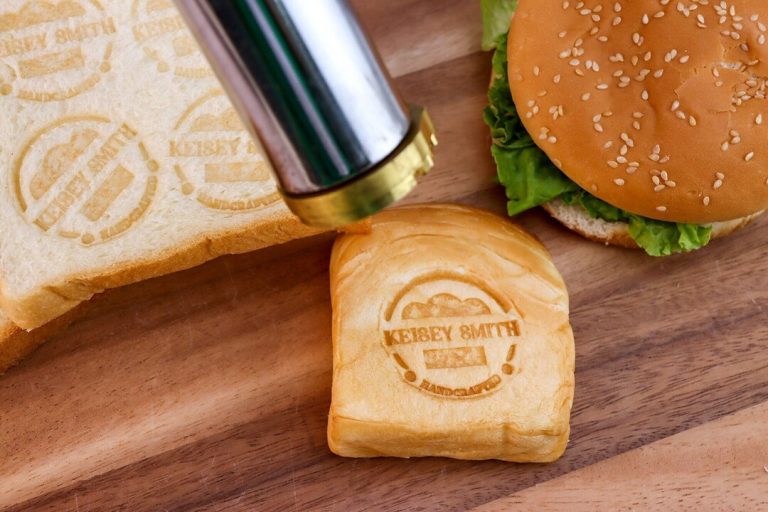
Branding Iron Restaurant & Catering offers a unique culinary experience, blending innovative cuisine with impeccable service. Our focus on high-quality ingredients and personalized attention creates a memorable dining atmosphere, whether for a corporate event or a casual gathering. This detailed guide explores the core concepts behind our brand, including our menu offerings, operational strategies, and digital marketing approaches.
From the selection of exquisite ingredients to the meticulously crafted presentation of our dishes, we strive to exceed expectations. Our commitment to exceptional service extends beyond the table, encompassing personalized attention to each client’s needs and preferences.
Defining the Restaurant & Catering Brand
A “Branding Iron” restaurant and catering service specializes in high-quality, upscale meals crafted with a focus on unique flavor combinations and visually appealing presentation. The brand aims to create memorable dining experiences that reflect a modern, sophisticated aesthetic.This service goes beyond simply providing food; it’s about delivering an entire culinary experience. The “branding iron” concept embodies a commitment to excellence, attention to detail, and a distinct style that sets the service apart from the competition.
Brand Description
A Branding Iron restaurant and catering service offers a curated menu featuring innovative dishes using fresh, locally sourced ingredients whenever possible. The focus is on creating a sophisticated dining experience with a modern twist. Catering services include options for various events, from corporate gatherings to intimate parties. The service prioritizes impeccable service and attention to detail, ensuring every event is flawlessly executed.
Core Values and Mission Statement
The core values of a Branding Iron restaurant and catering service revolve around quality, creativity, and customer satisfaction. The mission is to provide exceptional culinary experiences that exceed expectations, using fresh, high-quality ingredients and innovative techniques to create unique dishes.
“To ignite culinary passions through exceptional service and unforgettable dining experiences.”
Target Audience
The target audience for a Branding Iron restaurant and catering service includes professionals, affluent individuals, and event planners seeking sophisticated and memorable experiences. This includes corporate clients, wedding planners, and individuals hosting private parties.
Visual Identity
The visual identity should evoke a sense of sophistication and modern elegance. The logo could feature a stylized branding iron, perhaps with a subtle flame or design element. The color scheme should include deep, rich tones like navy blue, burgundy, or emerald green, paired with accents of gold or copper. The typography should be clean, modern, and professional, like a sans-serif typeface with a touch of elegance.
Brand Voice and Tone
The brand voice should be sophisticated, professional, and engaging. Marketing materials should communicate a sense of luxury and expertise. The tone should be confident and approachable, conveying passion for food and the art of hospitality.
Potential Competitors
Potential competitors include other upscale restaurants and catering companies, Michelin-starred restaurants, and catering services specializing in fine dining or specific cuisines. Other catering businesses offering modern, upscale options are also potential competitors.
Comparison to Other Restaurant/Catering Styles
Compared to casual dining, the Branding Iron brand emphasizes higher-quality ingredients, more complex flavor profiles, and a refined presentation. In contrast to strictly vegetarian or vegan establishments, the Branding Iron caters to a broader palate, offering a variety of dishes.
Unique Selling Propositions (USPs)
- Exceptional Culinary Expertise: The Branding Iron focuses on innovative, high-quality dishes created by expert chefs.
- Memorable Experiences: The brand prioritizes creating unforgettable dining experiences for all clients.
- Visual Appeal: Dishes are presented with a modern and visually engaging approach, emphasizing the artistic side of the food.
- Local Sourcing (where possible): Prioritizing local and fresh ingredients adds a layer of sophistication and support for the community.
- Personalized Service: Tailoring the experience to the client’s needs and preferences.
Service Offerings & Menu Concepts
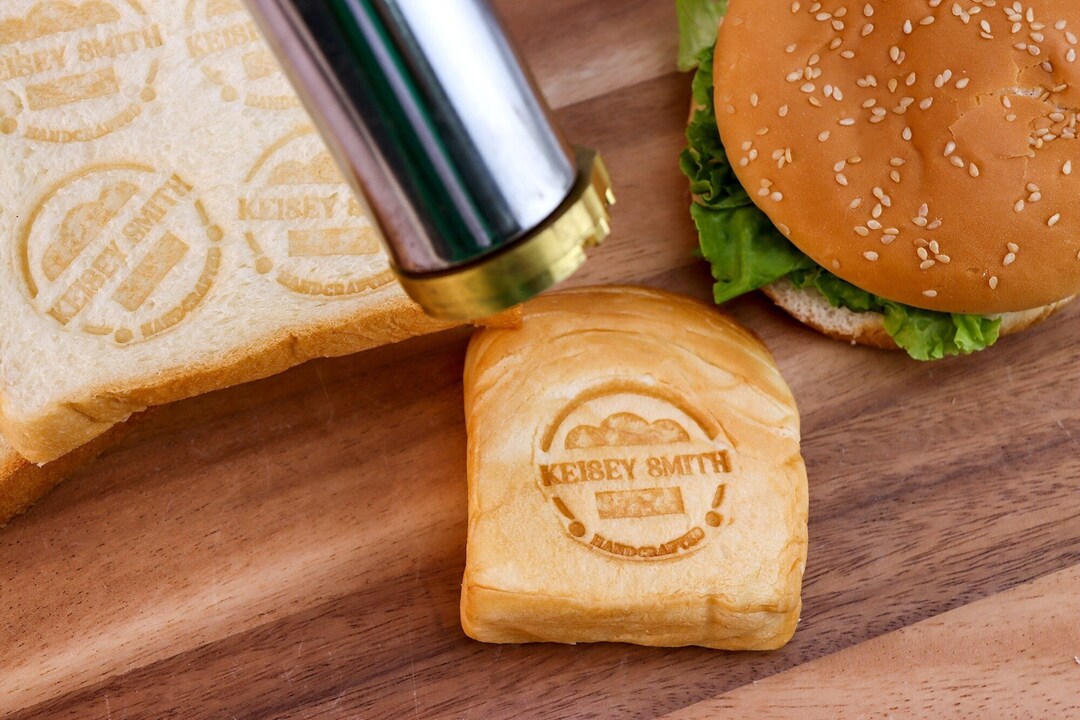
A branding iron restaurant and catering service offers a unique culinary experience, focusing on high-quality ingredients and distinctive preparation methods. This approach allows for a diverse range of menu options and caters to various event types, from intimate gatherings to large-scale corporate functions. The pricing strategy is designed to be flexible and competitive, providing value for money.
Menu Options
The menu options at a branding iron restaurant and catering service will emphasize the use of a branding iron for searing and finishing dishes. This creates a distinct flavor profile and aesthetic appeal, distinguishing it from traditional restaurants. This approach allows for a wide range of menu options, including appetizers, main courses, and desserts.
Types of Events Catered To
This service caters to a broad range of events, including corporate gatherings, weddings, private parties, and social events. The flexibility of the catering service allows for customization of menus and presentations to match the specific needs of each event.
Pricing Strategies
Pricing strategies for catering services are crucial for ensuring profitability and competitive pricing. Packages for different event sizes are often offered, with pricing varying based on the number of guests, the complexity of the menu, and the duration of the event.
Unique Menu Items
Highlighting the “branding iron” concept is crucial. Unique menu items can include grilled meats seared to perfection with a flavorful crust, vegetables infused with unique flavors, and desserts featuring branding iron-seared components. For instance, a “Branding Iron Steak” featuring a perfectly seared, flavorful top sirloin or a “Seared Scallops with Black Garlic Reduction.”
Sample Catering Menu (Corporate Event)
| Appetizers | Main Courses | Desserts |
|---|---|---|
| Caprese Skewers | Grilled Salmon with Lemon-Dill Sauce | Chocolate Lava Cakes |
| Roasted Red Pepper & Goat Cheese Crostini | Grilled Filet Mignon with Red Wine Reduction | Branding Iron Peach Cobbler |
| Spinach & Artichoke Dip | Herb-Crusted Lamb Chops | Berry Panna Cotta |
Styles of Cuisine
Various styles of cuisine can be integrated into the menu, including classic American, contemporary European, and Mediterranean. The branding iron method can be incorporated into dishes from different cuisines, enhancing the unique flavor profile.
Catering Options for Different Event Sizes
Catering options are adjusted based on event size. For smaller events, individual plates and plated meals are suitable. For larger events, buffet-style service with various stations or family-style servings might be more practical. Consideration for flow and service efficiency are crucial for large gatherings.
Essential Equipment
Essential equipment for branding iron cuisine includes high-quality branding irons, various sizes of grilling equipment, specialized pans for searing and finishing, and adequate refrigeration for food storage and preparation. Proper maintenance and hygiene practices are crucial to ensure food safety.
Operational Structure & Management
A well-structured operational framework is crucial for the success of a branding iron restaurant and catering service. This framework ensures smooth operations, efficient resource allocation, and consistently high-quality service delivery, from order placement to customer satisfaction. Effective management practices also facilitate compliance with food safety regulations and maintain a positive brand image.
Staffing Requirements and Roles
The staffing needs will vary based on the scale of operations, including the volume of orders and the types of services offered. Key roles include chefs, kitchen staff, servers, dishwashers, and catering managers. A well-defined hierarchy, clear job descriptions, and regular training programs are essential for optimal performance. For instance, a dedicated catering manager can oversee the execution of events, ensuring the smooth flow of service, while line cooks are responsible for the quality and preparation of dishes.
Specific roles like food safety specialists or sanitation officers are essential for ensuring compliance with standards and minimizing risks.
Workflow for Order Placement and Fulfillment
A streamlined workflow for order placement and fulfillment is vital for timely delivery and accuracy. A system should be in place for receiving orders (online, phone, or in person), confirming details, assigning staff to specific tasks, and tracking progress. Digital order management systems, for instance, can automate much of the process, providing real-time updates on order status and enabling efficient inventory management.
This approach helps to reduce errors and delays, ultimately improving customer satisfaction.
Kitchen Setup and Equipment
The kitchen setup must accommodate the diverse menu offerings and catering needs. Essential equipment includes ovens, grills, fryers, and specialized tools for preparing dishes. Equipment should be appropriately sized and located for optimal workflow and efficiency. For example, a high-volume catering operation will need larger appliances and additional storage space compared to a smaller, in-house restaurant. A critical consideration is the layout of the kitchen, with designated areas for food preparation, cooking, and storage.
Inventory Management Procedures
Proper inventory management ensures the availability of ingredients and supplies while minimizing waste. Regular stocktaking, using FIFO (First-In, First-Out) principles, and tracking ingredient consumption are vital. Software tools can automate these processes, providing real-time insights into inventory levels and potential shortages. This data-driven approach allows for proactive ordering and cost control. For example, a restaurant using a sophisticated inventory system can accurately predict ingredient needs, reducing the risk of stockouts and waste.
Customer Feedback Handling System
Customer feedback is invaluable for improving service and menu offerings. A system for collecting and analyzing feedback should be in place. This can include online surveys, feedback forms, or direct communication with customers. Regular analysis of this feedback helps identify areas for improvement and ensures customer satisfaction. An example is a restaurant that regularly reviews customer comments on social media, and uses this data to adjust their menu based on popular or unpopular dishes.
Complaint Handling and Issue Resolution
A clear process for handling complaints and resolving issues is essential for maintaining customer relationships. This includes a defined escalation path, timeframes for response, and compensation options for dissatisfied customers. This approach helps to address concerns promptly and effectively, building trust and loyalty. For instance, a comprehensive complaint procedure may involve a designated manager to oversee the resolution process, ensuring fair and efficient handling of customer issues.
Food Safety and Hygiene Standards
Adherence to strict food safety and hygiene protocols is paramount. This includes following health codes, maintaining a clean kitchen environment, and implementing rigorous temperature control measures. Regular training for staff on food safety procedures is critical to prevent contamination and ensure compliance. A dedicated food safety manager or supervisor is ideal to oversee these procedures, implementing protocols to maintain a high level of safety, and conducting regular inspections to ensure adherence to all standards.
Digital Marketing Strategies
Digital marketing is crucial for the Branding Iron Restaurant & Catering service to connect with its target audience and establish a strong online presence. A well-defined digital marketing strategy can drive brand awareness, generate leads, and ultimately increase sales and profitability. This approach leverages various online channels to reach potential customers, build relationships, and foster loyalty.
Reaching the Target Audience
Effective digital marketing strategies are designed to resonate with the specific needs and preferences of the target audience. Understanding the demographics, psychographics, and online behaviors of potential customers allows for tailored messaging and content that increases engagement and conversions. This often involves identifying key online platforms frequented by the target audience and adjusting the strategy accordingly.
Digital Marketing Plan
A comprehensive digital marketing plan for Branding Iron Restaurant & Catering should encompass a range of activities, including search engine optimization (), social media marketing, paid advertising, email marketing, and content creation. This holistic approach ensures consistent brand messaging across all digital touchpoints and maximizes the return on investment (ROI).
Social Media Platforms for Promotion
Social media platforms are vital for brand building and customer engagement. Utilizing platforms like Facebook, Instagram, and TikTok enables direct interaction with customers, fostering a sense of community. This involves creating engaging content, responding to comments and messages promptly, and running targeted advertising campaigns.
Effective Social Media Content Strategies
High-quality, visually appealing content is essential for capturing attention on social media. This includes visually engaging photos and videos of food, behind-the-scenes glimpses of the restaurant and catering operations, customer testimonials, and engaging stories that showcase the brand’s personality. Regular posting schedules and interactive elements like polls and quizzes can further boost engagement.
Professional Website and Design
A professional website is the cornerstone of a robust online presence. It serves as the central hub for information about the restaurant and catering services, menu, contact details, and online ordering options. A well-designed website with clear navigation and mobile-friendliness is critical for user experience and search engine visibility.
Search Engine Optimization () Strategies
Implementing strategies is vital for driving organic traffic to the website. This involves optimizing website content, meta descriptions, and titles with relevant s to improve search engine rankings. research, content optimization, and building high-quality backlinks are key elements of an effective strategy.
Online Advertising Platforms (e.g., Google Ads)
Utilizing online advertising platforms like Google Ads allows for targeted advertising campaigns reaching specific demographics and interests. This can include targeted ads on search engines, social media platforms, and websites, maximizing the visibility of the restaurant and catering service to potential customers. Precise targeting and tracking mechanisms ensure optimal ad spend.
Customer Relationship Management (CRM)
Implementing a CRM system allows for effective management of customer interactions and data. This provides a centralized platform for storing customer information, tracking orders, and managing communication. This system fosters stronger customer relationships, enhances personalized service, and facilitates targeted marketing campaigns.
Email Marketing
Email marketing remains an effective channel for direct communication with customers. Targeted email campaigns can promote special offers, new menu items, upcoming events, and catering services. Personalization and segmentation of email lists are crucial for increasing open rates and conversion rates.
Email Template Examples
Email templates should be tailored to different marketing campaigns. For example, a welcome email could introduce the brand, a promotional email could showcase special offers, and a thank-you email could acknowledge a customer’s order. These templates should be visually appealing, easy to read, and include clear call-to-actions.
Building Online Reputation
Encouraging customer reviews and testimonials on platforms like Google My Business and Yelp is vital for building a positive online reputation. Responding to reviews, both positive and negative, demonstrates professionalism and builds trust with potential customers. Encouraging customers to share their experiences through social media also enhances online visibility.
Influencer Marketing
Partnering with relevant influencers in the local area can expand brand reach. Influencers can create content promoting the restaurant and catering services to their followers, reaching a wider audience and generating interest in the brand. Selecting influencers whose values align with the restaurant’s brand and target audience is critical for success.
Visual Content & Presentation
Branding Iron Restaurant & Catering’s visual identity should be bold, inviting, and evocative of quality ingredients and expertly crafted dishes. The visual language will reinforce the restaurant’s commitment to culinary excellence and a warm, inviting atmosphere. This section Artikels the key visual elements and strategies for presenting the brand effectively across various platforms.
Branding Iron Visual Identity
The brand’s visual identity should center around the “branding iron” motif, conveying a sense of tradition, craftsmanship, and distinctive flavor. A strong logo incorporating a stylized branding iron is crucial, as is a color palette that reflects the restaurant’s ambiance. A rich, warm color scheme (e.g., deep reds, burnt oranges, dark browns) will evoke a sense of comfort and warmth, complemented by accent colors (e.g., metallics, golds) to highlight the premium quality of the food.
Font choices should be easily readable and reflect the brand’s personality – perhaps a slightly rustic or modern serif font for headings and a clean sans-serif for body text.
Website and Social Media Visuals
The website and social media platforms should maintain a consistent visual theme. High-quality images and videos are paramount. Images should showcase the restaurant’s ambiance, highlighting the interior design, and display mouthwatering food photography. Restaurant interior shots should portray a clean, inviting space that exudes elegance and warmth. The food photography should capture the textures, colors, and details of each dish, emphasizing the “branding iron” aspect.
A consistent visual style across all platforms will enhance brand recognition.
Menu Photos, Event Pictures, and Interior Shots
Professional food photography is essential for showcasing dishes effectively. Use natural light whenever possible, and consider props like rustic wooden boards or ceramic plates to complement the dishes. Event pictures should capture the ambiance, energy, and enjoyment of the gatherings, highlighting the service and overall experience. Interior shots should showcase the space’s design elements and create a desire to dine there.
These images should be high-resolution and in focus, and the lighting should be appropriate for each scene.
High-Quality Image Creation
Invest in professional photography or hire a skilled photographer for high-quality images. Ensure proper lighting and composition for each shot. Edit images to enhance colors and clarity without over-processing. Consider using editing software to adjust contrast, brightness, and sharpness, maintaining a natural look. Images should be resized appropriately for various platforms and formats.
Promotional Materials Templates
Develop templates for flyers and brochures that maintain the branding identity. These templates should include the logo, color palette, and fonts. Ensure a clear layout that highlights key information, such as menu options, special offers, and event details. Use high-quality images and graphics to attract attention. Consider using a combination of text and imagery to convey information effectively.
Effective Video Usage
Short, engaging videos showcasing the food preparation process, staff interactions, or customer testimonials are effective. Videos can also feature interviews with chefs highlighting the “branding iron” techniques and ingredients. These videos should be shot in high definition with good audio quality and edited for a professional look.
Branding Iron Restaurant & Catering Story
The story should focus on the restaurant’s heritage, highlighting the dedication to quality ingredients, traditional techniques, and customer satisfaction. Emphasize the “branding iron” as a symbol of the restaurant’s distinctive culinary approach and the passion behind every dish. The story should be relatable, evoking emotion and inspiring trust in the brand.
Restaurant Interior Design
Create a warm and inviting atmosphere with comfortable seating, soft lighting, and appropriate music. Consider using rustic elements (wood, stone) to evoke a sense of tradition and craftsmanship. The color scheme should complement the branding identity, creating a cohesive aesthetic.
Food Preparation Process
The food preparation process should showcase the meticulous approach to crafting each dish. Highlight the use of high-quality ingredients, the skill of the chefs, and the precision involved in each step. Focus on the “branding iron” cooking technique, demonstrating its application and the unique flavor it imparts.
Visual Representation of Food Preparation
Showcase the food preparation process through short videos or high-quality still images. Highlight the specific “branding iron” techniques, focusing on the unique flavor and texture achieved. Focus on the meticulous steps involved in preparing each dish, showcasing the care and attention to detail.
Dish Descriptions & Branding Iron Aspect
Each dish description should highlight the “branding iron” aspect. For example, “Grilled Steak with Branding Iron Seasoning” or “Grilled Salmon with a touch of Branding Iron Maple Glaze.” Descriptions should evoke imagery and emphasize the unique flavors and textures achieved through the use of the branding iron.
Client Testimonials & Feedback
Building strong customer relationships is crucial for the success of any restaurant or catering business. Positive testimonials and feedback provide valuable insights into what customers appreciate and where improvements can be made. This section Artikels strategies for collecting, analyzing, and responding to client feedback to enhance customer satisfaction and loyalty.
Sample Testimonials
Positive testimonials from satisfied customers can significantly influence potential clients. These testimonials showcase the quality of service, food, and overall experience.
- “The food was exceptional, and the service was impeccable. We will definitely be back!”
- “My event was flawlessly executed, thanks to your team’s professionalism and attention to detail. The food was delicious and presented beautifully.”
- “From the initial consultation to the event itself, everything was handled with care and efficiency. We highly recommend your services.”
Feedback Forms
Well-designed feedback forms are essential for gathering comprehensive customer insights. These forms should be concise and focused on specific aspects of the customer experience.
| Question Category | Example Questions |
|---|---|
| Food Quality | How would you rate the taste and quality of the food? |
| Service | How would you rate the professionalism and attentiveness of the staff? |
| Value | Was the price comparable to the quality of service and food? |
| Ambiance | How would you rate the atmosphere and environment? |
| Overall Experience | Would you recommend our services to others? |
Feedback Analysis
Analyzing customer feedback is a key component of continuous improvement. Systematic analysis identifies patterns and trends to pinpoint areas needing attention.
- Categorization: Grouping feedback into categories (e.g., food quality, service, ambiance) facilitates focused analysis.
- Frequency: Tracking the frequency of positive and negative comments for each category helps pinpoint areas requiring improvement.
- Sentiment Analysis: Using tools to analyze the sentiment behind comments (positive, negative, neutral) provides a clear picture of customer opinions.
Collecting and Managing Testimonials
Implementing a structured system for collecting and managing testimonials ensures easy access and organization.
- Dedicated Form: Utilize a dedicated feedback form on your website and at the end of events.
- Digital Storage: Maintain a database to organize and store testimonials, including date, customer name, and feedback details.
- Customer Database: Link testimonials to customer profiles in your database for easier management and future contact.
Sharing Positive Feedback
Publicly showcasing positive testimonials builds trust and confidence.
- Website: Feature testimonials on your website’s homepage or service pages.
- Social Media: Share testimonials on social media platforms, highlighting key aspects.
- Printed Materials: Include testimonials in brochures, menus, or event invitations.
Handling Negative Feedback
Negative feedback provides valuable opportunities for improvement. Handling it constructively demonstrates a commitment to customer satisfaction.
- Empathy: Acknowledge and understand the customer’s perspective.
- Responsiveness: Respond promptly and professionally to address concerns.
- Solutions: Propose concrete solutions to resolve the issue.
- Follow-up: Follow up with the customer to ensure the issue has been resolved.
Customer Service Interactions
Customer service interactions directly impact the overall customer experience. These interactions should be professional, efficient, and focused on providing excellent service.
- Greeting: Greet customers warmly and promptly.
- Attentiveness: Pay attention to customer needs and address them efficiently.
- Problem Solving: Actively listen to and resolve customer issues.
- Professionalism: Maintain a professional demeanor throughout the interaction.
Closure
In conclusion, Branding Iron Restaurant & Catering is poised to become a leading force in the culinary landscape. We are dedicated to providing exceptional dining experiences through meticulous planning, execution, and customer satisfaction. Our commitment to quality, innovation, and service ensures that every event is a success.
FAQ Explained
What types of events do you cater to?
We cater to a variety of events, including corporate gatherings, weddings, birthdays, and private parties.
What is your pricing structure like?
Our pricing is tailored to each event’s specifics, including the menu, guest count, and desired service level. We provide detailed pricing packages upon request.
What is your return policy?
We do not have a formal return policy for food, but we are always happy to accommodate any issues or concerns that our clients may have. We are committed to ensuring that our clients are satisfied.
How do I place an order?
To place an order, please contact us via phone or email, outlining your event details, dietary restrictions, and any specific requirements.